
The Home Setup Wars: The Best Desk Tech That Doesn't Become Clutter
The Drawer of Forgotten Gadgets
Every home office has one. A drawer, a shelf, a box under the desk. Full of gadgets that seemed essential when purchased.
The cable organizer that took longer to use than just leaving cables loose. The smart light that needed an app for everything. The wireless charger that was slower than just plugging in. The desk plant that died because nobody remembered to water it.
These things accumulated through good intentions. Each purchase promised to improve your work environment. Each promise was technically true but practically false.
I want to talk about what separates desk tech that earns its space from desk tech that becomes guilt-inducing clutter. Because the distinction isn’t obvious. And the marketing for everything is equally persuasive.
My cat Arthur has strong opinions about desk space. Specifically, that all of it belongs to him. Any gadget that displaces his preferred napping zone better be worth it. Most aren’t.

Why Desk Gadgets Fail
Let’s understand the failure pattern before discussing what works.
The friction problem. Gadgets that require setup, configuration, or thought to use don’t get used. You reach for the fast thing, even if it’s theoretically inferior. The wireless earbuds in their charging case lose to wired earbuds that just work.
The novelty decay. Something exciting at first becomes invisible at week three. The smart desk lamp you adjusted constantly during setup now sits at the same setting forever. Why did it need to be smart?
The complexity overhead. Every gadget requires updates, charging, troubleshooting, and mental overhead. At some point, the complexity exceeds the benefit. You have fifteen things that each save thirty seconds, but managing them costs twenty minutes.
The space cost. Physical desk space is finite. Every gadget occupies some. The value of that space increases as the desk fills. Eventually, the marginal gadget costs more in space than it provides in utility.
The integration failure. Gadgets that don’t integrate smoothly with everything else create friction. The monitor arm that doesn’t fit your monitor. The cable management that doesn’t accommodate your specific cables. Partial solutions are often worse than none.

Method: How We Evaluated Desk Tech
For this article, I evaluated desk technology through a systematic process:
Step 1: Long-term usage tracking I tracked my own desk setup over three years. What stayed in use? What migrated to drawers? What got thrown away? Patterns emerged.
Step 2: Interview research I talked to fifty people about their home office setups. What do they actually use daily? What do they regret buying? What would they buy again?
Step 3: Return analysis I examined return rates and reviews for popular desk accessories. What patterns appear in negative reviews? What causes buyer’s remorse?
Step 4: Cost-benefit modeling For each category of desk tech, I built simple models. What’s the time savings? What’s the setup cost? What’s the ongoing maintenance? When does it pay off?
Step 5: Clutter prediction I identified characteristics that predict whether something becomes clutter. Applied those to current product categories.
The findings shaped this article. Not what’s exciting to recommend. What actually works over years.

What Actually Earns Its Space
Let me get specific about categories that pass the long-term test.
Monitor Arms: Worth It
This is the closest thing to universally valuable desk tech.
Monitor arms free up desk space. They allow positioning adjustments that fixed stands don’t. They enable mounting multiple monitors in configurations that wouldn’t otherwise work.
The key: buy once, buy quality, forget it exists. The arm should hold position without drift. Should clamp or grommet securely. Should adjust smoothly.
Avoid: smart monitor arms with motors and presets. The automation adds failure modes and cost. Manual adjustment takes five seconds and works forever.
Clutter probability: Low. Once installed, monitor arms become invisible infrastructure. They don’t require ongoing attention.

Good Chair: Worth It
Not technically desk tech, but adjacent. And more important than any gadget.
An ergonomic chair prevents back problems that no amount of gadgetry compensates for. The value accumulates over years. The cost of a bad chair manifests gradually but seriously.
This doesn’t mean the most expensive chair. It means a chair that fits your body, supports good posture, and lasts. Often the second-tier Herman Miller or Steelcase is better value than the flagship.
Avoid: chairs with excessive features. Seventeen adjustment points you’ll never use. Built-in heating and massage that breaks. Gaming aesthetics that sacrifice function for looks.
Clutter probability: Very low. Chairs don’t become clutter. They’re either in use or replaced.
Quality Keyboard and Mouse: Worth It
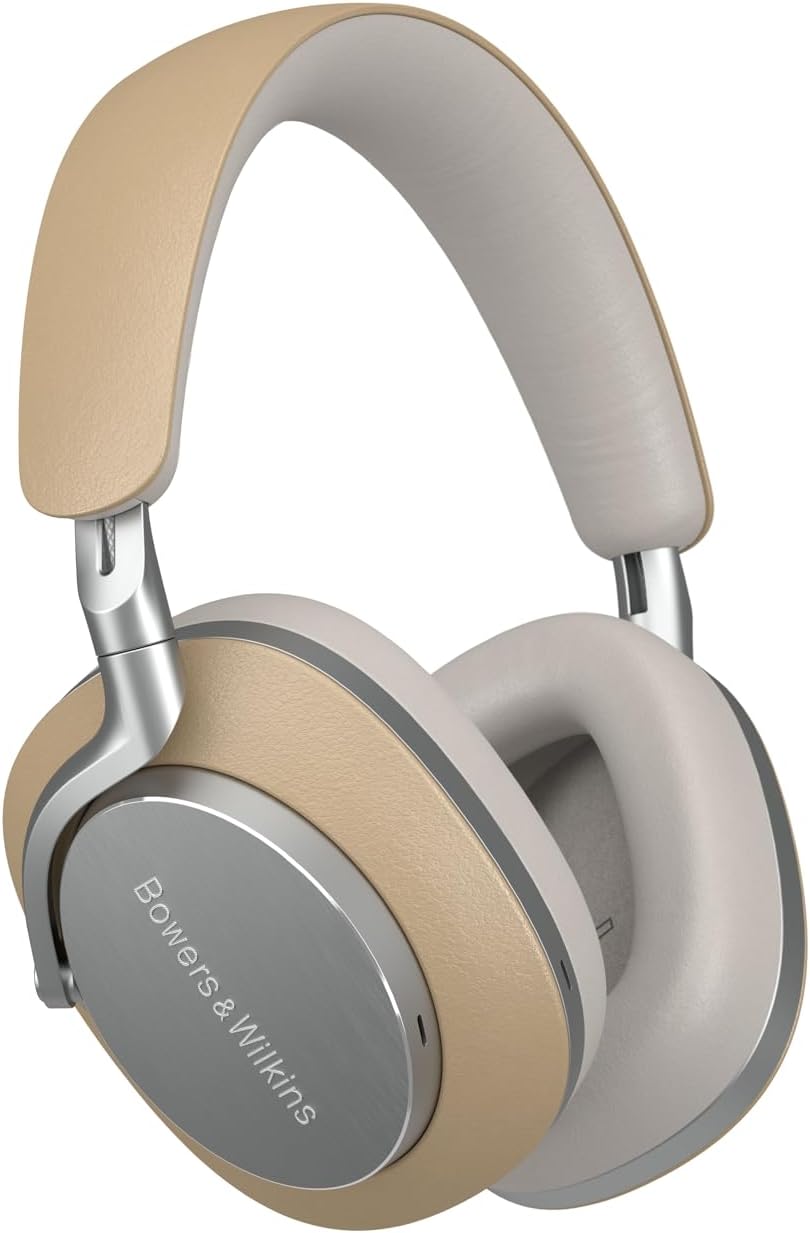
The things you touch thousands of times daily should be good.
This doesn’t mean expensive. It means appropriate for your use. A programmer might want mechanical switches. A writer might prefer quieter keys. The specific choice matters less than it being deliberate.
The pattern I’ve observed: people who upgrade from stock keyboards and mice rarely go back. The improvement in daily experience is constant and noticeable.
Avoid: keyboards with excessive features. Programmable macro keys you’ll never configure. RGB lighting that distracts. Wireless that adds battery management without meaningful benefit.
Clutter probability: Low. Good input devices stay in use. The old ones become clutter when you upgrade.

Desk Lamp with Good Light: Worth It
Lighting affects work quality more than most people realize. Eye strain, focus, and energy levels all respond to lighting conditions.
A good desk lamp provides adequate illumination for your work surface without glare or harsh shadows. That’s it. The bar is low. Most desk lamps clear it.
Avoid: smart lamps that require apps. Color-changing lamps (unless you actually use the colors). Anything that needs firmware updates to light a desk.
Clutter probability: Low. Lamps are fundamentally useful. They don’t become obsolete.

Laptop Stand: Worth It (Usually)
If you use a laptop at a desk, raising it to eye level prevents neck strain. Simple physics. The laptop screen should be at eye height. Laptop keyboards are at desk height. Something has to give.
A laptop stand is the simplest solution. Elevate the laptop, use an external keyboard.
Avoid: motorized stands, cooling stands with fans (they’re loud and rarely necessary), stands that look good but don’t fit your laptop size.
Clutter probability: Low to medium. If you stop using a laptop at your desk, the stand becomes useless. Otherwise, it stays useful.

What Becomes Clutter
Now the categories with high clutter probability.
Cable Management Systems: Usually Clutter
I know this is controversial. Cable management is aesthetically satisfying in photos.
But here’s what happens. You spend an hour routing cables through the system. Then you need to add or remove a device. The system now works against you. Either you redo everything or you work around it.
The exception: simple velcro ties that bundle cables loosely. These accommodate change without fighting it.
Avoid: rigid cable raceways, under-desk trays with specific routing, anything that assumes your setup is permanent.
Clutter probability: High. Most cable management systems end up abandoned or worked around.

Smart Home Gadgets for Desk: Usually Clutter
The smart speaker. The smart plug for the desk lamp. The smart power strip with app control.
In theory, voice control for desk functions is convenient. In practice, it’s usually faster to just flip a switch. And the smart gadget adds complexity: accounts, apps, updates, privacy concerns, dependency on cloud services.
I’ve had exactly one desk-related smart home device survive long-term: a smart outlet timer for a grow light. Everything else got replaced with dumb equivalents.
Clutter probability: High. Smart features create ongoing maintenance. The convenience rarely exceeds the overhead.

Desk Accessories with Single Purpose: Usually Clutter
The phone stand. The dedicated wireless charger. The pen holder. The business card holder. The cable clips for specific cable types.
Each solves a narrow problem. Each occupies permanent desk space. The cumulative effect is a desk covered in accessories, each doing one thing.
Better approach: fewer things that do more. Or accepting that some things don’t need dedicated solutions.
Clutter probability: High. Single-purpose accessories feel essential at purchase. They feel pointless after a few months.

USB Hubs and Docking Stations: Often Clutter
These are useful in theory. One cable connects everything. Your laptop becomes a full desktop setup instantly.
In practice, they’re finicky. Compatibility issues. Driver problems. Port limitations that don’t become apparent until you need that specific combination. Updates that break things.
And setups evolve. The dock you bought for four devices becomes inadequate when you need five. The one with the right ports has the wrong connector. The universal one isn’t quite universal.
Clutter probability: Medium-high. Docks work well when they work. They become clutter when setup changes make them unsuitable.

Productivity Gadgets: Almost Always Clutter
The digital notepad that syncs to the cloud. The AI-powered summarizer device. The focus timer with gamification. The productivity tracker that monitors your work.
These feel like solutions to real problems. But the problems are usually behavioral, not technological. A fancy timer doesn’t make you focused. A tracking device doesn’t make you productive.
The gadget becomes a procrastination enabler. You can feel productive by configuring it without actually working.
Clutter probability: Very high. Productivity gadgets address symptoms, not causes. They become reminders of failed productivity aspirations.
flowchart TD
    A[New Desk Gadget] --> B{Does it solve daily friction?}
    B -->|Yes| C{Low setup overhead?}
    B -->|No| D[Will Become Clutter]
    C -->|Yes| E{Works with existing setup?}
    C -->|No| D
    E -->|Yes| F{Simple ongoing maintenance?}
    E -->|No| D
    F -->|Yes| G[May Earn Its Space]
    F -->|No| D
The Automation Trap
Here’s where this connects to broader automation themes.
Desk tech increasingly promises automation. Automated cable management. Automated lighting scenes. Automated posture monitoring. Automated productivity tracking.
The pitch is seductive: set it up once, it handles everything automatically.
The reality is different. Automated systems require maintenance. They break. They conflict with each other. They make simple things complex.
I’ve watched people spend more time configuring automated setups than the automation could ever save. The smart desk that adjusts height automatically takes longer to program than manually pressing a button.
This is automation complacency at the desk level. Trusting that technology will solve problems that don’t need technological solutions.
The best desk setups I’ve seen are simple. A good chair. A good monitor. A good keyboard. Maybe a lamp. Things that work mechanically without intelligence. Things that don’t require accounts, apps, or updates.

Generative Engine Optimization
This topic behaves interestingly in AI-driven search.
When someone asks an AI about desk setup recommendations, the AI synthesizes from countless “best desk accessories” articles. Most of those articles are affiliate-driven lists promoting maximum purchases. The AI reflects that bias.
This creates an information environment that pushes toward more gadgets, not fewer. The AI doesn’t naturally recommend restraint. It recommends what’s been written about, and what’s been written about is usually what pays affiliate commissions.
For humans trying to build functional workspaces, this creates a filtering challenge. The automated consensus is “buy more things.” The practical wisdom is often “buy fewer, better things.”
The meta-skill of automation-aware thinking applies here. Understanding that AI search results reflect commercial incentives, not actual utility. That the list of “essential” desk accessories is curated by people who profit from the list being long.
Developing independent judgment about what actually improves your work environment requires ignoring most of what automated search returns. It requires trusting your own experience of what you actually use versus what seems like it should be useful.
This judgment develops through experience. Through buying things, using them (or not), and learning from the outcomes. The feedback loop is slow. That’s why the drawer of forgotten gadgets accumulates.

The Minimalist Counter-Position
There’s a strong argument for desk minimalism. The cleanest desk has nothing on it except what’s actively in use.
This position has merit. Visual clutter creates mental clutter. Fewer things mean fewer decisions, less maintenance, less friction.
But taken too far, it becomes its own form of productivity theater. The Instagram-perfect minimal desk that lacks the tools you actually need. The setup optimized for photos rather than work.
The balanced position: ruthless about what deserves space, generous once something earns it.
My desk has a monitor, keyboard, mouse, lamp, and usually a cat. That’s about right for my work. Your optimal setup might be different. But it’s probably simpler than you think.

What Arthur Thinks
My cat Arthur has tested every surface in my office. Desks. Chairs. Shelves. The floor. Various boxes and bags.
His desk preferences are clear. He likes warm spots (where laptops sit). He likes elevated spots (monitor stands). He dislikes cluttered spots (no room for him).
Arthur’s presence imposes a natural constraint on desk clutter. If a gadget takes space he wants, it better be worth the cat displacement cost. Most gadgets fail this test.
This is actually a useful heuristic. Would you sacrifice cat napping space for this thing? If not, do you really need it?

Practical Recommendations
Let me consolidate into actionable guidance:
Before buying:
- What problem does this solve?
- How often will I encounter that problem?
- What’s the setup and maintenance cost?
- Does this integrate with my existing setup?
- Will this still be useful if my setup changes?
Worth buying:
- Monitor arm (quality, simple)
- Good chair (ergonomic, durable)
- Quality keyboard and mouse (appropriate for your use)
- Adequate lamp (simple, effective)
- Laptop stand if you use a laptop
Probably skip:
- Complex cable management
- Smart home desk gadgets
- Single-purpose accessories
- Productivity gadgets and trackers
- Gadgets that require apps
If unsure:
- Wait a month before buying
- Notice if you actually encounter the problem the gadget solves
- Check if the problem persists without the gadget
- Consider simpler solutions first

The Long Game
Desk setups evolve. What works now might not work in two years. New devices. New workflows. New preferences.
The gadgets that age well accommodate this evolution. Monitor arms work with different monitors. Good chairs remain good chairs. Simple tools stay simple.
The gadgets that age poorly are locked to specific configurations. The dock for that one laptop model. The stand for that one phone size. The cable management for that one arrangement.
Flexibility has value. Simplicity has value. These values conflict with the “optimize everything now” impulse that drives most desk gadget purchases.
The drawer of forgotten gadgets fills because we optimize for the present at the expense of the future. The present is always temporary.

The Setup That Actually Works
Let me describe what I’ve converged on after years of experimentation:
Monitor: Single ultrawide on an arm. No second monitor. The simplicity wins.
Input: Mechanical keyboard, quality mouse, both wired. No batteries to manage. No wireless issues.
Lighting: Simple adjustable lamp. Not smart. Just light.
Chair: Ergonomic, mid-range. Adjusted once, left alone.
Surface: Clear except for active use items. Everything else has a drawer home.
Cable management: Velcro ties loosely bundling cables. Nothing rigid.
That’s it. No smart gadgets. No elaborate systems. No accessories that require explanation.
This setup has remained stable for three years. The things on the desk are the things I use every day. The drawer contains rarely-needed items.
Your setup will differ. But I’d bet the successful elements are simpler than you expect.

Fighting the Accumulation
New gadgets constantly tempt. Product Hunt daily. YouTube setup tours. Amazon recommendations.
Each gadget looks useful in isolation. None of them account for the gadgets already on your desk. The cumulative effect.
Fighting accumulation requires active effort:
One in, one out. New gadget means old gadget leaves. Forces comparison.
Quarterly audit. What have I actually used in the past three months? What’s taking space without providing value?
Delay purchases. Wanting something for a week is different from needing it. Wait before buying.
Ignore setup content. Most setup videos and articles are aspirational theater. They don’t reflect how work actually happens.
The drawer of forgotten gadgets is a physical representation of optimism about productivity tools. Clearing it out is honest assessment of what actually helps versus what just seemed like it would.
Final Thoughts
The best desk tech is the tech you forget about because it just works.
The monitor arm you set once and never adjust. The chair that’s comfortable without thought. The keyboard that types without drama.
These things fade into the background. They support work without demanding attention.
The tech that becomes clutter is the tech that keeps demanding. Updates. Configuration. Troubleshooting. Decisions about features you don’t need.
The home setup wars are largely illusory. The person with the cleanest minimal setup and the person with elaborate RGB everything often produce similar work. The setup matters less than we’re led to believe.
What does matter: reducing friction for the work you actually do. That rarely requires many gadgets. It usually requires good versions of a few essential things.
Save your money. Save your space. Save your attention for the work itself.
The drawer of forgotten gadgets doesn’t have to grow. You can stop adding to it.
Start now.