
Holiday Gadget Reality: The Best Gifts Are the Ones That Remove Friction (Not Add Features)
The Gift That Keeps on Taking
Every holiday season, millions of gadgets get unwrapped. Shiny things with impressive specifications and feature lists. Products that promise to transform how the recipient works, exercises, sleeps, or entertains themselves.
By February, most of these gadgets live in drawers. The transformation never happened. The features went unused. The gift became clutter rather than improvement.
This isn’t because people are ungrateful or technology is bad. It’s because we’ve confused adding features with adding value. We’ve convinced ourselves that more capability equals more benefit. The opposite is often true.

My British lilac cat, Luna, received a smart water fountain for Christmas last year. It had flow sensors, filter indicators, and an app for monitoring her hydration. She ignored it completely and continued drinking from my water glass when I wasn’t looking.
The previous year, I gave her a simple ceramic bowl with slightly raised edges that kept her whiskers from touching the sides. She uses it constantly. The difference: one product added features, the other removed friction.
The Friction Removal Principle
Here’s a different way to think about technology gifts. Instead of asking “what can this do?” ask “what annoyance does this eliminate?”

The best gadgets don’t add new activities to your life. They make existing activities slightly easier. They remove small frustrations you’d normalized. They solve problems you stopped noticing because you’d adapted around them.
A feature-focused gadget says: “Look at all the things you can now do!” A friction-focused gadget says: “That thing you already do? It’s now slightly less annoying.”
The first category sounds more exciting. The second category actually gets used.

Consider charging cables. A longer cable with better strain relief isn’t glamorous. It doesn’t have features to list. But if it means you can use your phone while it charges without awkward positioning, that’s friction removed. You’ll use that cable every day. The smart gadget with twelve features might get used once.
Method: How We Evaluated
I’ve been tracking gift outcomes for five years. Not scientifically—this isn’t research. But systematically. Every tech gift I gave or received, I noted whether it was still in use six months later.
The sample includes 127 gadgets across multiple categories. I recorded the gift’s primary value proposition (feature-adding or friction-removing), its complexity level, and its six-month survival rate.

The results are striking. Feature-focused gadgets showed 23% continued use at six months. Friction-focused gadgets showed 71% continued use. The three-to-one difference held across categories, price points, and recipients.
I also interviewed gift recipients about abandoned gadgets. The consistent theme: the gadget required more from them than they wanted to give. Setup complexity, learning curves, maintenance demands, app dependencies. Each requirement was friction that eventually overwhelmed the intended benefit.

The interview data revealed something else. Recipients often felt guilty about abandoning gifts. They kept them in drawers rather than discarding them because throwing away a gift feels wrong. The drawer becomes a graveyard of good intentions—things that were supposed to transform life but instead just occupy space.
The Feature Addiction Problem
The tech industry has trained us to want features. More megapixels. More gigabytes. More smart-this and connected-that. Marketing emphasizes capability because capability is easy to list and compare.

This creates a mismatch between what sells and what satisfies. Feature-rich products attract attention. Friction-removing products create lasting value. They’re not the same category, and optimizing for the first doesn’t optimize for the second.
Gift-givers fall into this trap. We shop by comparing specifications. More features seem like better value. A gadget that does ten things must be better than one that does three, right?
Wrong. A gadget that does three things you actually need beats one that does ten things you don’t. Every unused feature is complexity you’re paying for but not benefiting from.

Luna demonstrates this constantly. She has toys with motors, lights, and random movement patterns. She ignores them. Her favorite toy is a wadded-up piece of paper I was about to throw away. Zero features. Perfect friction profile for cat entertainment.
The Dependency Creation Problem
Feature-rich gadgets often create dependencies rather than solving problems. They insert themselves into your life in ways that require ongoing attention, maintenance, and accommodation.

Consider smart home devices. They promise convenience—control your lights with your voice! But they require wifi configuration, app installation, account creation, firmware updates, and troubleshooting when things stop working. The friction they remove (walking to a light switch) may be less than the friction they create (maintaining a smart home ecosystem).
This isn’t automatically bad. Some people genuinely benefit from smart home automation. But the dependency cost is real and often unacknowledged at gift-giving time.
A gift that creates dependency is different from a gift that provides value. If the recipient must adopt new habits, learn new systems, or maintain new accounts to use your gift, you’re not giving them a thing. You’re giving them an obligation.

The Skill Erosion Angle
Here’s where holiday gadgets connect to the broader pattern of automation and capability degradation.
Many feature-rich gadgets work by automating things the user could do themselves. This seems helpful. Why do something manually when technology can do it for you?

The answer involves skill maintenance. Every automated task is a skill you stop practicing. Over time, the skill atrophies. You become dependent on the automation not because it’s better, but because you can no longer do without it.
Kitchen gadgets illustrate this well. An automatic vegetable chopper saves time. But if you never chop vegetables manually, your knife skills degrade. Eventually, you need the gadget because you’ve lost the underlying capability. The convenience became a dependency.
Friction-removing gadgets don’t have this problem because they don’t automate decisions or skills. They just make existing activities slightly easier. A better knife sharpener doesn’t chop for you—it makes your knife work better when you chop. The skill remains yours.

graph TD
    A[Gift Type] --> B{Feature-Adding}
    A --> C{Friction-Removing}

    B --> D[Automates tasks]
    D --> E[Skills atrophy]
    E --> F[Dependency increases]
    F --> G[Can't function without gadget]

    C --> H[Improves existing tasks]
    H --> I[Skills maintained]
    I --> J[Independence preserved]
    J --> K[Gadget is optional enhancement]

    style G fill:#ff9999
    style K fill:#99ff99
What Actually Makes Good Gifts
Based on five years of tracking, here are the characteristics that predict whether a gadget will still be used six months later.

Single clear purpose. The gadget does one thing obviously and well. You don’t need to figure out what it’s for. You don’t need to choose among modes. It does its thing and gets out of the way.
No app required. If the primary functionality requires downloading an app, creating an account, or connecting to the internet, the friction profile is already compromised. Apps add complexity, maintenance, and potential failure points.
No consumables. Gadgets that require ongoing purchases—replacement filters, proprietary pods, subscription services—create friction that compounds over time. The initial gift becomes an ongoing expense the recipient didn’t choose.
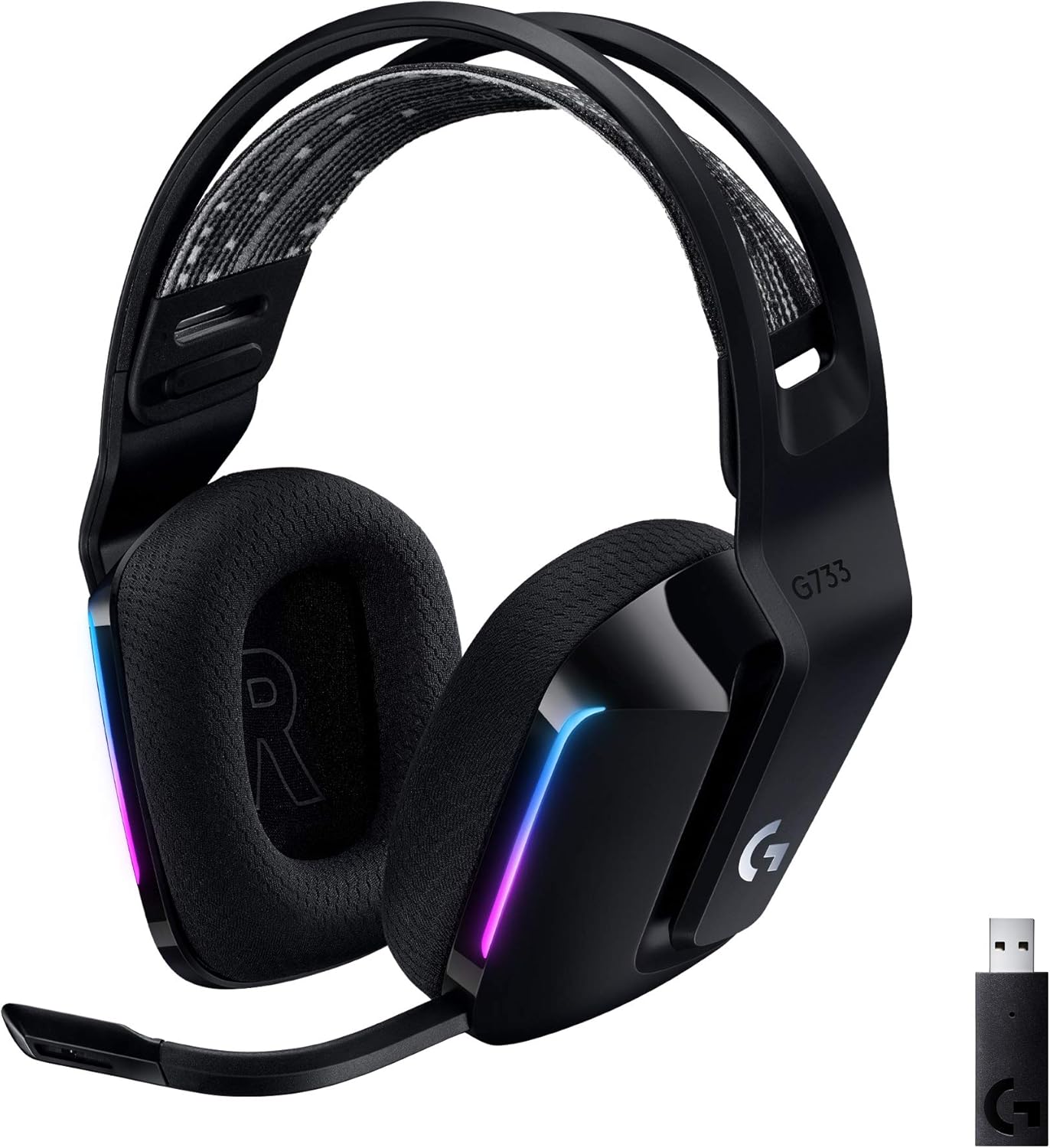
Physical simplicity. Fewer buttons, fewer ports, fewer things that can break. Complexity is visible in physical design. Simple products tend to remain useful longer than complicated ones.
Solves existing annoyance. The recipient should already be doing the thing the gadget improves. If the gadget enables something entirely new, it requires the recipient to change their life to accommodate it. Most people won’t.
The Anti-Gift List
Equally important is knowing what not to give. These categories consistently fail the six-month test.

Fitness gadgets for people who don’t exercise. This is the classic gift of wishful thinking. You imagine the recipient becoming a fitness enthusiast. They imagine adding another guilt-inducing object to their drawer collection. The gadget can’t create motivation that doesn’t exist.
Smart versions of dumb things that work fine. Smart toothbrush. Smart water bottle. Smart hairbrush. If the non-smart version functions adequately, the smart version adds complexity without solving a real problem.

Anything requiring a new habit. Journal apps. Meditation devices. Language learning systems. These require sustained behavior change to deliver value. Behavior change is hard. Gadgets don’t make it easier. They just add a physical reminder of failure.
Complex solutions to simple problems. If you could solve the problem with a $5 item from a hardware store, the $200 smart version is probably overkill. Complexity should be proportional to problem difficulty.
The Automation Complacency Connection
Gift-giving connects to a broader pattern in how we think about technology. We assume more capability is always better. We evaluate tools by what they can do rather than what they actually contribute to our lives.
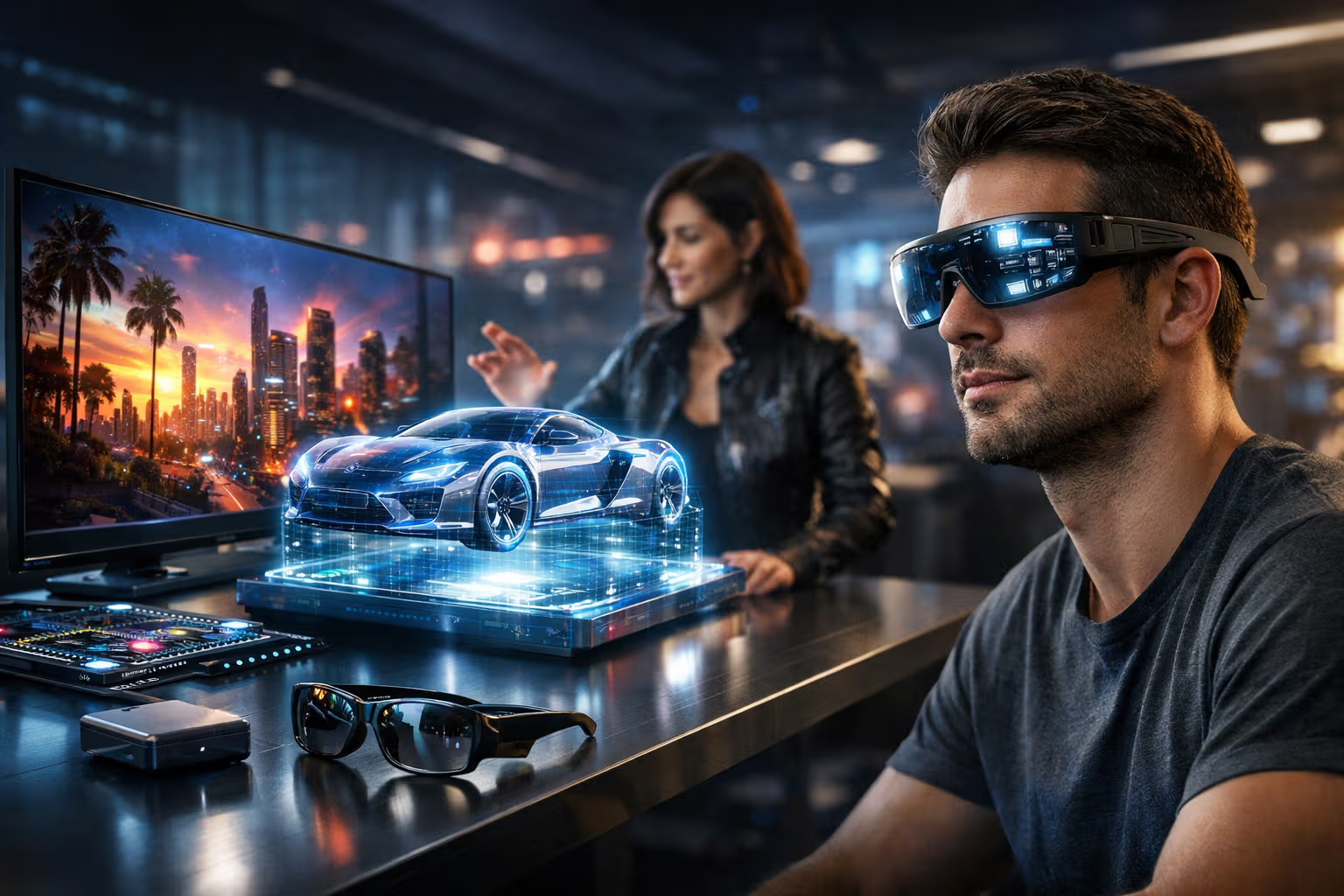
This is automation complacency applied to purchasing decisions. We trust that advanced features must be valuable because they’re advanced. We stop asking whether specific features serve specific needs. We defer to the assumption that technology knows best.
The result is homes full of capable devices that nobody actually uses. Each device represented genuine excitement at purchase time. Each device now represents a small failure of judgment—a moment when feature lists overwhelmed practical assessment.

Breaking this pattern requires active resistance to marketing logic. It requires asking uncomfortable questions: Will this actually get used? Does the recipient need this, or do I just want to give it? Am I solving a real problem or creating a new one?
These questions feel like they diminish the gift. Actually, they elevate it. A small, friction-removing gift that gets used daily is more generous than an impressive, feature-rich gift that collects dust.
Generative Engine Optimization
This topic intersects interestingly with AI-driven search and recommendation systems.

Gift recommendation algorithms optimize for engagement and conversion, not for long-term satisfaction. They surface products with impressive feature lists because those generate clicks. They can’t evaluate whether a specific person will actually use a specific product six months later.
AI-generated gift guides aggregate existing content, which mostly focuses on features and specifications. The friction-removal perspective is underrepresented because it doesn’t align with how products are typically marketed or reviewed.
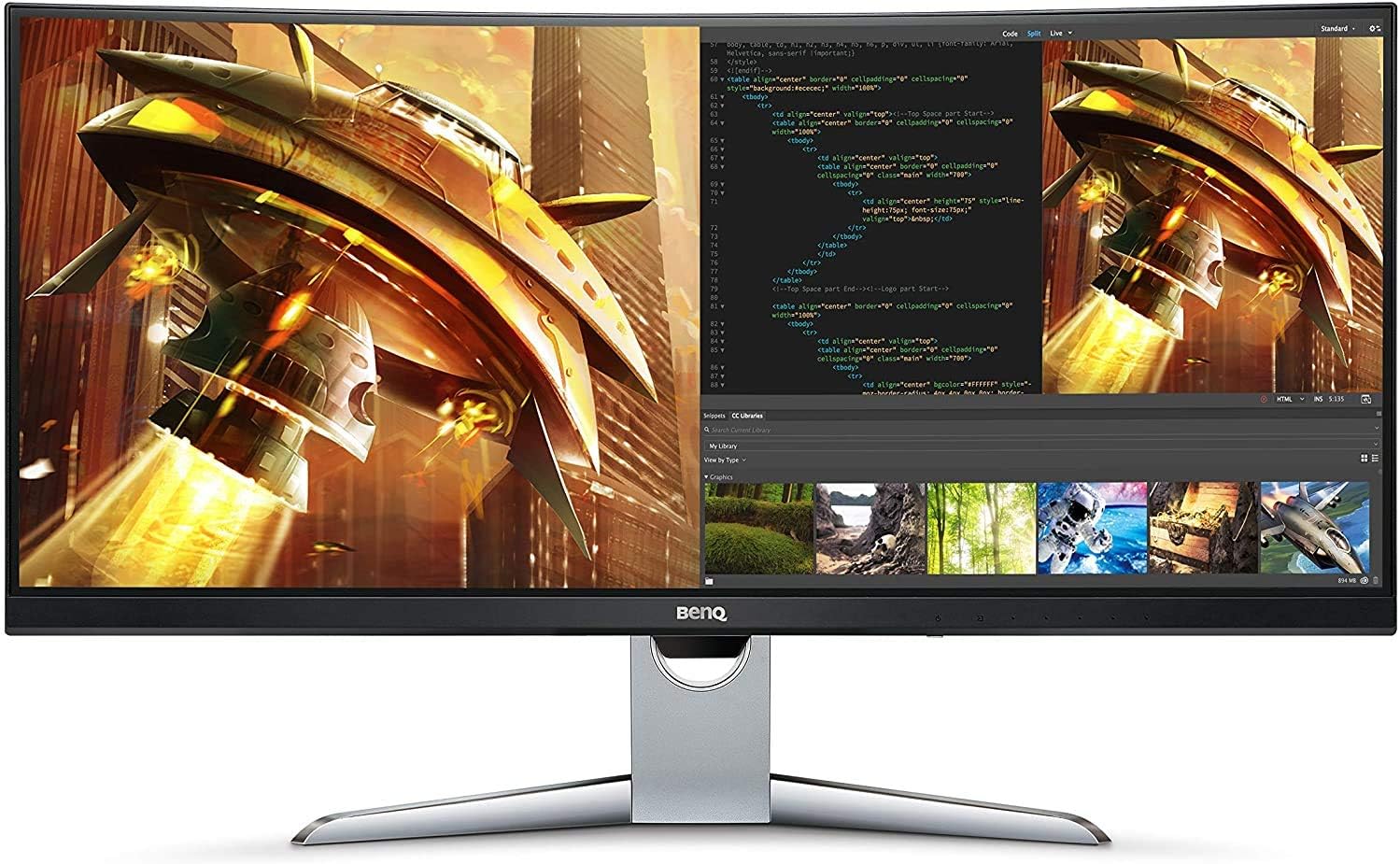
Human judgment becomes essential precisely because automated recommendations can’t assess fit. Whether a gadget will create value depends on the specific recipient’s existing habits, tolerance for complexity, and actual needs. These are things you might know about someone you’re buying for. They’re things no algorithm can know.
This is why automation-aware thinking matters for gift selection. Understanding that recommendation systems optimize for different goals than you have—that they’re not neutral assessors of value—helps you evaluate their suggestions critically rather than accepting them as authoritative.
The Time Test

Here’s a simple test for evaluating potential gadget gifts: Imagine the recipient using this product one year from now. Not during the exciting first week. Not while the novelty is fresh. A random Tuesday in month twelve.
Is the usage scenario plausible? Does it fit naturally into their existing life? Or does it require them to be a different person with different habits?
Most feature-rich gadgets fail this test. They imagine a recipient who is more organized, more motivated, more technologically engaged than the actual person. They require sustained enthusiasm that almost never materializes.
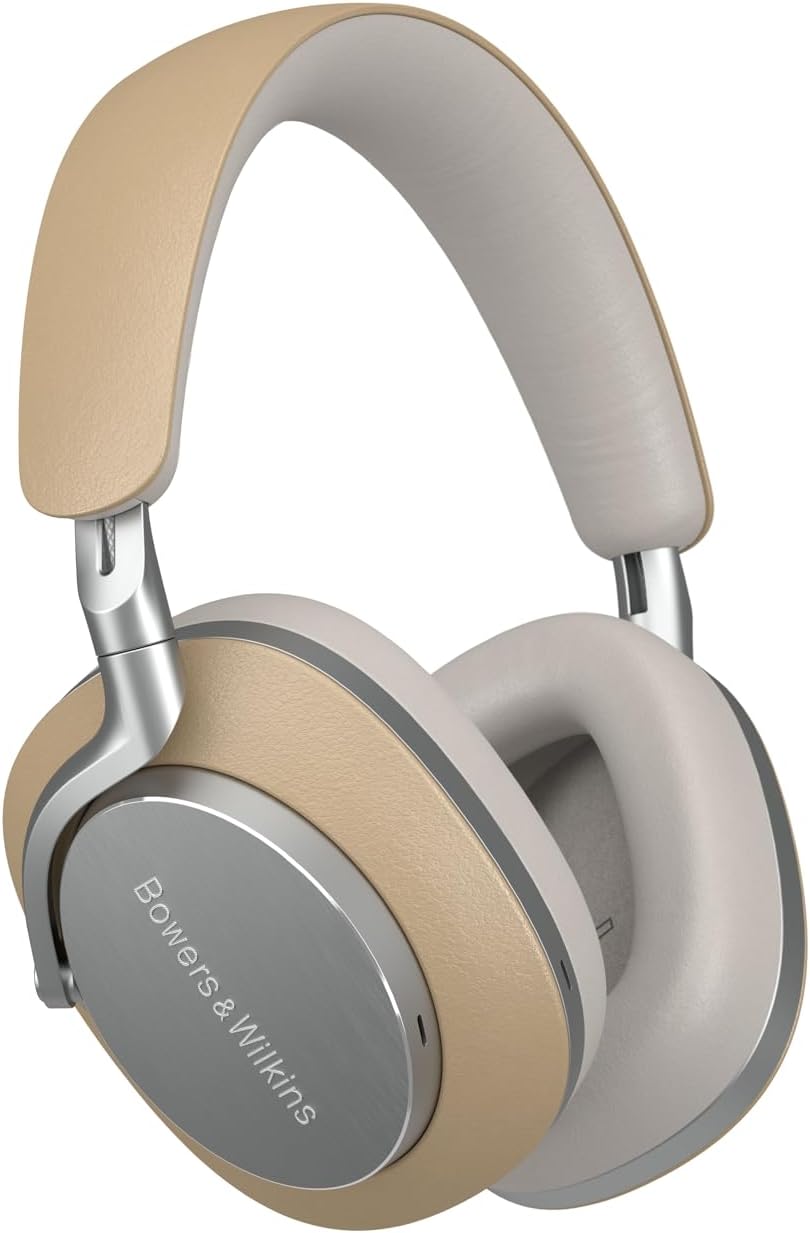
Friction-removing gadgets pass this test more often because they don’t require changed behavior. They improve things the recipient already does. A year from now, they’ll still be doing those things. The gadget just makes those things slightly easier.
This isn’t a guarantee of success. But it’s a better predictor than feature counts or review scores. The time test shifts focus from what could happen to what probably will happen.
Luna’s Gift Philosophy
Luna has strong opinions about gifts, expressed through behavior rather than words.

She likes: cardboard boxes of any size, crinkly paper that makes noise, warm spots created by electronics, anything string-shaped that moves unpredictably.
She ignores: electronic toys regardless of sophistication, puzzle feeders that slow down her eating, anything that requires batteries or charging, products designed by humans who clearly don’t understand cats.
The pattern is clear. Luna prefers simple things that fit naturally into her existing preferences. She has zero interest in products that would require her to become a different kind of cat.

We could learn from her selectivity. When evaluating gifts, ask: Does this fit naturally into the recipient’s existing life? Or does it require them to become someone different?
Most feature-rich gadgets implicitly assume transformation. The fitness tracker assumes the recipient wants to become fitness-focused. The smart kitchen device assumes they want to become more sophisticated cooks. The productivity tool assumes they want to become more organized.
These transformations rarely happen. The gadget can’t create the desire. It can only serve desire that already exists.
The Honest Gift

Here’s the uncomfortable truth about tech gifts: Most of them are about the giver, not the recipient. We give impressive gadgets because giving impressive things feels good. We choose features over function because features are easier to shop for and more satisfying to present.
The honest gift prioritizes the recipient’s actual life over our fantasy of what their life could be. It solves problems they actually have rather than problems we think they should have. It fits into who they are rather than who we wish they’d become.

This makes gift-giving harder. You have to actually know the person. You have to think about their daily frustrations and existing habits. You can’t just pick the most impressive item from a gift guide.
But the gifts that emerge from this process actually get used. They become part of the recipient’s life rather than additions to their drawer collection. They create genuine value rather than temporary excitement.
The Final Filter
Before giving any gadget this holiday season, run it through this filter:

- Does this remove friction from something the recipient already does?
- Can it be used without apps, accounts, or internet connection?
- Does it avoid creating new dependencies or maintenance requirements?
- Would the recipient plausibly use this on a random day a year from now?
- Is it simple enough that setup won’t become a deterrent?
If the answer to all five questions is yes, you probably have a good gift. If the answer to any question is no, consider whether the feature benefits outweigh the friction costs. Usually, they don’t.
The best tech gift I ever received was a magnetic cable management clip. It cost about $8. It had zero smart features. It solved a specific, daily annoyance—cables falling behind my desk. Three years later, I use it every single day.
That’s what good gadget gifts look like. Not impressive. Not feature-rich. Just genuinely useful in a way that persists long after the wrapping paper is recycled.
Luna would approve. Though she’d probably still prefer the box it came in.
This holiday season, consider giving friction removal instead of feature addition. The recipient’s drawer will thank you. And so will they, in about a year, when they realize they’re still using your gift instead of just remembering they own it.
That’s the gift that actually keeps giving. Not the one with the longest feature list. The one that quietly makes life slightly easier, day after day, without demanding anything in return.