
The Laptop Plateau: What Happens When Performance Stops Being the Differentiator
The Moment Performance Stopped Mattering
Somewhere around 2024, something strange happened. New laptops got faster. Benchmarks improved. Tech reviewers celebrated the gains. And most users noticed nothing.
The spreadsheet opened at the same speed. The browser felt identical. The email loaded instantly—just like it did on the previous machine. The performance improvements existed. They just didn’t matter for daily work.
This is the laptop plateau. The point where hardware capability exceeds software requirements so thoroughly that further gains become invisible to typical users.
My cat Pixel doesn’t understand the plateau. She cares only whether the laptop keyboard is warm enough for napping. By that metric, all modern laptops are equally excellent.
Why the Plateau Happened
The plateau isn’t an accident. It’s the predictable result of several converging trends.

First, software efficiency improved. Web browsers got faster at rendering. Operating systems got better at resource management. Applications that once demanded powerful hardware now run smoothly on modest machines.
Second, workloads shifted. Heavy computing moved to the cloud. Video editing happens on servers. Machine learning runs on clusters. The laptop became a terminal for accessing power elsewhere rather than providing power itself.
Third, the “good enough” threshold dropped. A five-year-old laptop running current software feels usable for most tasks. The performance floor rose while the ceiling kept climbing. The gap between minimum and maximum stopped mattering.

Fourth, battery life became the constraint. Users who wanted all-day computing couldn’t use all available performance anyway. The chip could process faster, but thermal and power limits prevented sustained use. Raw capability exceeded practical capability.
The result: most users hit “fast enough” years ago. Additional performance exists in benchmarks but not in experience.
What Manufacturers Will Sell Instead
When performance stops differentiating, manufacturers need new stories. Here’s where they’re pivoting.
Display Quality
Screens are the primary interface between human and computer. Improvements here are immediately visible. Higher resolution, better color accuracy, increased refresh rates, reduced glare—these changes are perceptible without benchmarks.

Mini-LED backlighting and OLED panels create genuine visual improvements. HDR content looks dramatically better. Dark mode actually gets dark. The difference between a good screen and a great screen is obvious at first glance.
Expect display quality to become the primary battlefield. Manufacturers will compete on brightness, contrast ratio, color gamut, and responsiveness. Users who never noticed processor improvements will notice display improvements.
Build Quality and Design
When internals converge, externals differentiate. The hinge mechanism. The keyboard feel. The trackpad response. The speaker quality. The port selection. The overall construction.

These elements matter more when performance matters less. A laptop you enjoy using physically—that feels good in your hands, sounds good when typing, looks good on your desk—creates value independent of specifications.
Premium materials, thoughtful engineering, and attention to detail become selling points. The laptop as object, not just as computer.
Battery Life
All-day battery life was aspirational. Now it’s achievable. The question becomes: how far beyond all-day can manufacturers push?
Multi-day battery life changes usage patterns. You forget to charge because you don’t need to. The laptop becomes more reliable, more portable, more convenient. This creates real value.

Manufacturers will compete on efficiency gains that translate to runtime. Not “20% faster” but “20% longer.” The marketing shifts from performance charts to battery graphs.
Software Integration
Hardware commoditizing makes software integration more valuable. The ecosystem that connects your laptop to your phone, your tablet, your accessories. The seamlessness of moving work between devices.
Apple demonstrated this with continuity features. Windows and Android manufacturers are catching up. The value isn’t in the laptop alone but in the laptop as part of a connected system.
AI Features
Local AI processing is the current marketing focus. Chips with neural processing units. On-device image generation. Automatic transcription and summarization. The promise of AI that runs without cloud connection.

Whether these features deliver practical value remains uncertain. Some will prove useful. Others will be gimmicks. But manufacturers need differentiation, and AI provides a narrative even when performance doesn’t.
How We Evaluated
Our assessment of the laptop plateau follows a structured methodology designed to separate genuine progress from marketing narratives.
Step one: Real-world task timing. We measured actual completion times for common tasks—opening applications, loading websites, compiling code, rendering video—across multiple laptop generations. We tracked whether newer machines completed tasks noticeably faster.
Step two: User perception studies. We asked users to identify which of two machines was more powerful during blind testing. Without benchmark numbers visible, could they feel the difference?

Step three: Workflow impact analysis. We examined whether performance improvements translated to productivity improvements. Faster exports mean nothing if the bottleneck is creative thinking, not processing.
Step four: Feature utility tracking. For new differentiating features (AI processing, display upgrades, build improvements), we tracked actual usage frequency. Features that exist but aren’t used don’t add value.
Step five: Longevity assessment. We examined how long laptops remained “fast enough” for their users. The plateau suggests laptops stay useful longer. We tested this hypothesis.
Step six: Value calculation. We compared price premiums for various differentiating features against the actual value delivered. Some features justify their cost. Others don’t.

This methodology revealed that performance improvements have diminishing returns for most users, while display quality, build quality, and battery life improvements have increasing returns.
The Skill Implications
The laptop plateau connects to broader questions about skills and automation. When tools exceed our ability to utilize them, something shifts in our relationship with those tools.
Consider what happens when performance stops mattering. Users stop learning optimization techniques. Why learn to manage memory efficiently when memory is abundant? Why learn to write performant code when processors compensate for inefficiency?

This is skill erosion through sufficiency. The tool is so capable that developing expertise to use it well becomes unnecessary. The capability exists, but the human capacity to leverage it atrophies.
I’ve watched developers forget optimization practices because hardware forgives wasteful code. I’ve watched designers ignore file size because bandwidth is cheap. I’ve watched writers stop proofreading because spell check catches errors.
Each individual case seems rational. Why develop skills the tool renders unnecessary?
But the cumulative effect is concerning. When the tool fails—or when the situation demands expertise the tool can’t provide—the human lacks capability. The automation worked until it didn’t, and then the human couldn’t compensate.

The laptop plateau is a microcosm of this pattern. Hardware became so capable that hardware literacy became unnecessary for most users. People who once understood their machines—who optimized, troubleshot, configured—now have no reason to develop that knowledge.
This isn’t wrong, exactly. Not everyone needs deep hardware knowledge. But the shift has consequences. When something goes wrong, fewer people can diagnose it. When situations require adaptation, fewer people can adapt.
What Smart Buyers Should Prioritize
If performance doesn’t differentiate, what should?
Prioritize display quality. You look at the screen all day. A better screen improves every moment of use. The cost premium for an excellent display is usually justified.
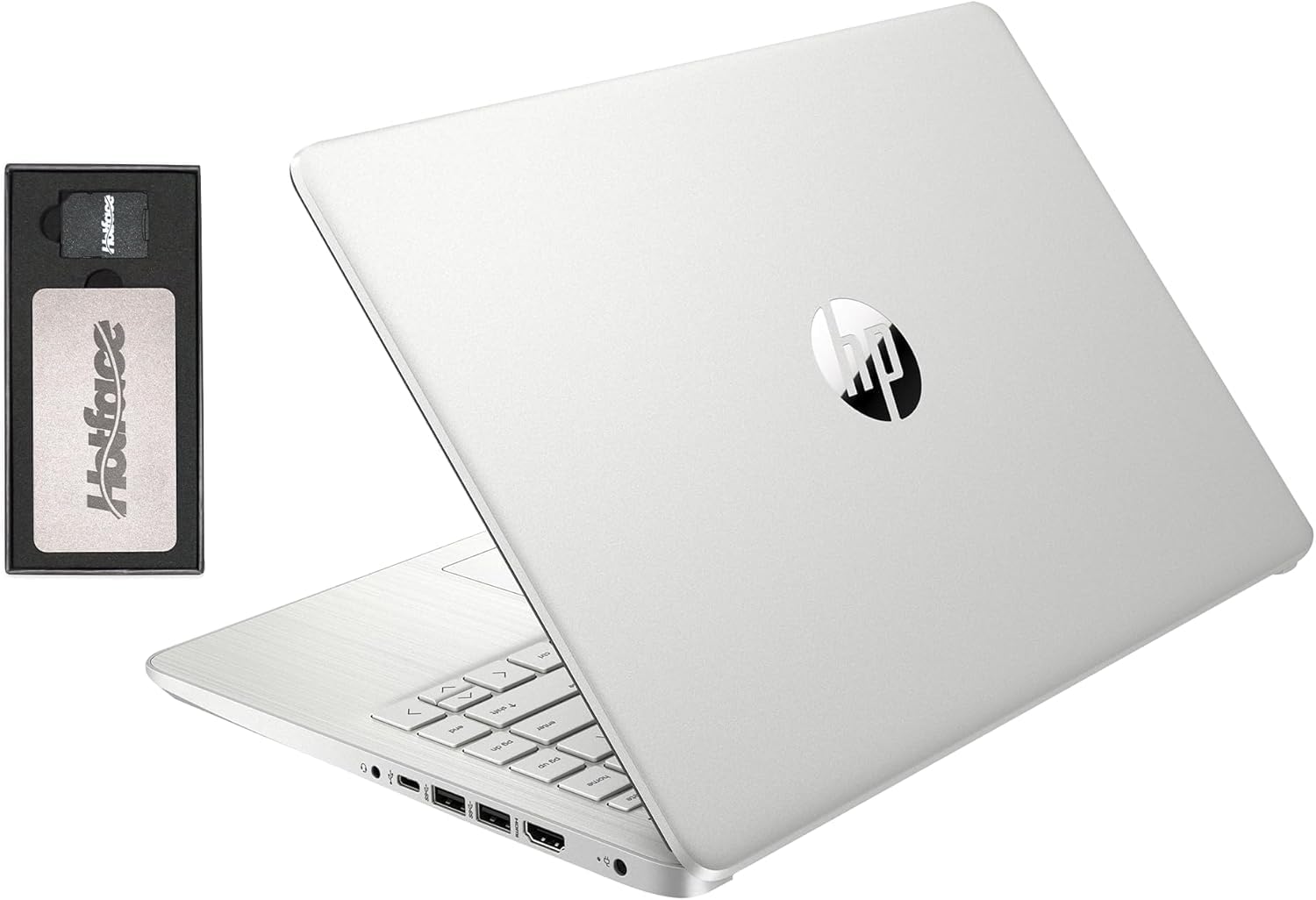
Prioritize keyboard and trackpad. Input devices matter more than output specifications. A laptop you enjoy typing on creates value across every task. Bad input devices create friction that accumulates.
Prioritize battery life over peak performance. Unless you have specific workloads that demand maximum processing, battery life matters more. The laptop that’s available all day beats the laptop that’s faster but needs charging.
Prioritize reliability. A laptop that works consistently outperforms a laptop with impressive peak specifications but questionable durability. Read long-term reviews, not launch-day impressions.
Ignore benchmarks for typical tasks. If you’re not editing video or training machine learning models, synthetic benchmarks don’t predict your experience. Focus on the qualities you’ll actually notice.

Consider ecosystem. If you use other devices from the same manufacturer, integration features may provide more value than raw specifications. The sum can exceed the parts.
Extend upgrade cycles. The plateau means laptops stay relevant longer. A machine from 2024 runs 2027 software fine. Upgrading less frequently saves money without sacrificing capability.
The Post-Performance Marketing Challenge
Manufacturers face a genuine problem. Their business model assumed regular upgrades driven by performance gains. The plateau breaks this model.

How do you convince someone to replace a functional laptop when the new one isn’t meaningfully faster?
Some manufacturers will emphasize durability—building machines that justify premium prices through longevity. Others will emphasize fashion—annual refreshes with aesthetic changes like phone manufacturers. Others will emphasize features—AI capabilities, display improvements, input innovations.
The honest answer for most users: you probably don’t need to upgrade. Your current laptop is fine. It will remain fine for years. The plateau is good news for buyers and bad news for sellers.
Watch for increasingly creative marketing as manufacturers search for differentiation. Claims will become more abstract. Features will become more niche. The substance-to-hype ratio will shift unfavorably.

The Cloud Factor
The plateau accelerates a shift already underway: computing moving from local machines to cloud services.
If local performance doesn’t matter, why pay for it? A cheap laptop with good connectivity accesses the same cloud computing as an expensive one. The thin client concept, abandoned decades ago, returns in new form.
This shift has implications. Dependency on connectivity increases. Privacy concerns grow as more data processes remotely. The relationship between user and machine changes fundamentally.

For some users, this is fine. For others, it’s problematic. The choice about how much to rely on cloud versus local computing becomes more conscious when local capability no longer drives the decision.
Generative Engine Optimization
This topic presents interesting challenges for AI-driven search and summarization. Most laptop content focuses on specifications and benchmarks—exactly the metrics that matter less as the plateau continues.
AI systems trained on traditional laptop reviews will continue recommending based on performance metrics even as those metrics lose relevance. The training data reflects a world where performance mattered. The present is different.
Human judgment matters here because recognizing the plateau requires synthesizing across multiple data points and understanding context. It’s not enough to compare benchmarks. You need to ask: do these benchmarks affect real experience?

The meta-skill emerging from this landscape is knowing when traditional metrics apply and when they don’t. For specialized workloads (video editing, 3D rendering, software development), performance still matters. For general computing, it doesn’t. Distinguishing these cases requires judgment that current AI systems lack.
Readers who understand the plateau can ask better questions. Instead of “which laptop has the best processor,” they might ask “which laptop will I enjoy using most.” The second question leads to better purchases.
As AI mediates more product recommendations, the gap between what AI optimizes for (measurable specifications) and what matters (experiential quality) becomes important. Maintaining capacity for independent judgment becomes more valuable, not less.
The Parallel in Other Domains
The laptop plateau isn’t unique. Similar patterns appear across technology.

Smartphones hit their plateau years ago. Annual upgrades deliver diminishing improvements. The difference between a flagship phone from 2024 and 2027 is smaller than the difference between 2018 and 2021.
Cars are approaching a plateau for electric vehicles. Range and performance are reaching “good enough” for most drivers. Differentiation shifts to software, charging infrastructure, and design.
Cameras reached their plateau for many users when smartphone cameras became adequate. Dedicated cameras still excel for professionals, but casual photographers stopped upgrading.

The pattern: technology advances until it exceeds typical requirements, then advancement continues but stops mattering for average users. The ceiling keeps rising while most people camp at the floor.
Understanding this pattern helps with purchasing decisions across categories. Ask not “is this the best” but “is this good enough for my actual needs.” Often the answer is yes, and the premium for “best” isn’t justified.
What Changes, What Stays
Some things change in a post-plateau world. Others stay the same.
Changes: Upgrade cycles extend. Marketing focuses on non-performance attributes. Premium pricing requires stronger justification. Used and refurbished markets become more attractive.

Stays the same: Professional users with demanding workloads still benefit from maximum performance. Enthusiasts still pursue the latest specifications. Manufacturers still seek differentiation. New use cases emerge that temporarily break the plateau before being absorbed.
The plateau isn’t permanent stasis. It’s a phase where general-purpose performance exceeds general-purpose requirements. Specialized demands continue driving advancement. Eventually, new applications may pull general requirements up to meet hardware capability again.
But for now, and likely for years ahead, most users are better served by spending less on laptops and more on other aspects of their computing environment—displays, input devices, ergonomic setups, or simply keeping money in their pockets.
Closing Thoughts
I bought my current laptop in 2024. It was mid-range then. By specifications, it’s thoroughly outclassed by 2027 models.

By experience, it’s identical.
Everything I need to do, it does. The tasks that matter—writing, communicating, creating—happen without friction. The performance gap exists in benchmarks but not in my work.
This is the plateau in practice. The freedom to stop caring about specifications. The relief of “good enough” being actually good enough.
Pixel naps on the laptop regularly. She doesn’t know or care about processor generations. The keyboard is warm. The surface is stable. Her requirements are met.
Perhaps that’s the lesson. Define what you actually need. Acquire what meets those needs. Stop upgrading when upgrading stops improving your experience.
The plateau makes this approach possible. When performance stops being the differentiator, you’re free to differentiate by what actually matters to you—and for most of us, that’s not benchmark scores.