
The Best Daily-Driver Setup for Work and Creation in 2026 (and what's just expensive desk cosplay)
The Great Gear Illusion
There’s a particular kind of sadness in watching someone unbox their fourth mechanical keyboard this year. Not because mechanical keyboards are bad—they’re genuinely nice. But because somewhere between the first and fourth purchase, the goal shifted. It stopped being about typing and started being about the ritual of acquisition.
I’ve been there. My desk has seen its share of “productivity upgrades” that produced nothing except lighter wallets and heavier cable management problems. The RGB lighting phase. The ultrawide monitor experiment. The standing desk that became the most expensive shelf in my apartment.
The modern workspace industry has perfected the art of selling solutions to problems you don’t have. And in 2026, with AI assistants, virtual reality workspaces, and “smart” everything, the temptation to over-engineer your daily setup has never been stronger.

But here’s what I’ve learned after years of testing, buying, returning, and occasionally crying over tech purchases: the best daily-driver setup isn’t about having the most impressive gear. It’s about having the right tools that disappear into your workflow. Equipment you stop noticing because it just works.
This article is my attempt to separate genuine utility from expensive desk cosplay. We’ll look at what actually matters for different types of work, what the industry desperately wants you to believe matters, and how to build a setup that serves your productivity rather than your Instagram aesthetic.
My cat, a British lilac named Pixel, has watched me assemble and disassemble countless workstations. She remains unimpressed by all of them. Perhaps she’s onto something.
How We Evaluated
Before diving into specific recommendations, let me explain the framework I used. This isn’t a “best products of 2026” listicle. Those are everywhere, and they’re mostly sponsored content wearing a thin disguise.

Instead, I evaluated equipment across five dimensions that actually predict daily-driver success:
Friction reduction: Does this tool remove obstacles from your workflow, or does it introduce new ones? A triple-monitor setup sounds productive until you spend twenty minutes every morning arranging windows across three screens.
Cognitive load: How much mental energy does this equipment demand? Smart home integration that requires you to troubleshoot WiFi connections every other day isn’t smart—it’s another job.
Durability under real conditions: Not “will this survive a laboratory test” but “will this survive coffee spills, cat hair, and the occasional frustrated keyboard slam.”
Actual usage patterns: Many purchases look great on paper but don’t match how real humans work. A 4K webcam is overkill when you spend 90% of video calls with it turned off.
Opportunity cost: Every dollar and desk inch you spend on one thing is unavailable for another. That massive audio interface might be worth it for a podcast producer. For everyone else, it’s expensive desk decoration.

I tested equipment over extended periods—weeks or months, not the standard tech review “I used it for three days and here are my thoughts.” Some gear that impressed me initially became annoying after a month. Other pieces I initially dismissed proved indispensable.
The goal was simple: identify what actually improves output versus what just improves the aesthetic of your desk photos.
The Core Workstation: What Actually Matters
Let’s start with the foundation. Your computer, monitor, and basic input devices form the core of any daily-driver setup. This is where most people either overspend dramatically or underspend in the wrong areas.
Computing Power: The Diminishing Returns Problem
In 2026, computing power has become largely commodified for most knowledge work. Unless you’re rendering 3D animations, training machine learning models, or editing 8K video, you probably don’t need the hardware you think you need.

The marketing departments of computer manufacturers would prefer you didn’t know this. They’ve built entire campaigns around making people feel inadequate with last year’s processor. But here’s the reality: most productivity work—writing, coding, spreadsheets, video calls, basic creative work—runs perfectly fine on mid-range hardware.
I’ve watched colleagues buy workstations with specs designed for professional video production, then use them primarily for email and Google Docs. The computer sits there, all that potential power completely wasted, like a sports car stuck in permanent city traffic.
For most daily-driver setups, here’s what actually matters:
RAM over raw processing power: Having enough memory to keep multiple applications open without slowdowns matters more than having the fastest processor. 32GB is the sweet spot for most creative and professional work in 2026. 16GB works for lighter workflows. 64GB is overkill unless you’re working with massive files.
SSD speed: A fast solid-state drive makes everything feel snappier. Application launches, file saves, system boots—all improved noticeably. This is one area where spending more produces tangible daily benefits.

Adequate graphics for your actual work: Unless you’re gaming or doing GPU-accelerated computing, integrated graphics on modern processors handle standard work just fine. The discrete GPU in my workstation mostly idles while I write articles.
Reliability: A slightly slower computer that never crashes beats a faster one that requires weekly troubleshooting. Consider the total cost of ownership, including the time you’ll spend dealing with issues.
The specific brand matters less than matching the specs to your genuine needs. Don’t let marketing convince you that you need professional-grade hardware for non-professional workloads.
Monitors: The One Area Where Upgrading Usually Pays Off
Unlike computing power, monitor quality directly affects your daily experience in ways that are hard to ignore. You stare at this thing for hours. It shapes how you perceive your work. A good monitor reduces eye strain, improves color accuracy, and makes everything you create look better.

Here’s my actual hierarchy of monitor priorities, based on testing various configurations:
Size and resolution balance: A 27-inch monitor at 4K resolution hits the sweet spot for most desk setups. Sharp text without needing scaling, enough screen real estate for multiple windows, and small enough to take in with normal eye movement. The 32-inch 4K crowd will disagree, and they’re not wrong—it’s personal preference past a certain point.
Color accuracy matters more than you think: Even if you’re not a designer or photographer, poor color reproduction makes everything look slightly wrong in ways you can’t quite identify. It’s subtle, but it contributes to visual fatigue. Look for monitors with decent color coverage and factory calibration.
Refresh rate is overrated for work: The 144Hz monitor you bought “for occasional gaming” provides zero benefit during spreadsheet work. Higher refresh rates only matter for smooth motion. Unless you’re editing video or gaming, 60Hz is completely fine.

Multiple monitors versus one large monitor: This debate has been ongoing for decades. My take: one high-quality monitor often beats two mediocre ones. The cognitive cost of managing multiple screens frequently exceeds the benefit of extra space. However, for workflows that genuinely benefit from persistent reference material—coding with documentation, writing with research visible—a secondary monitor can help.
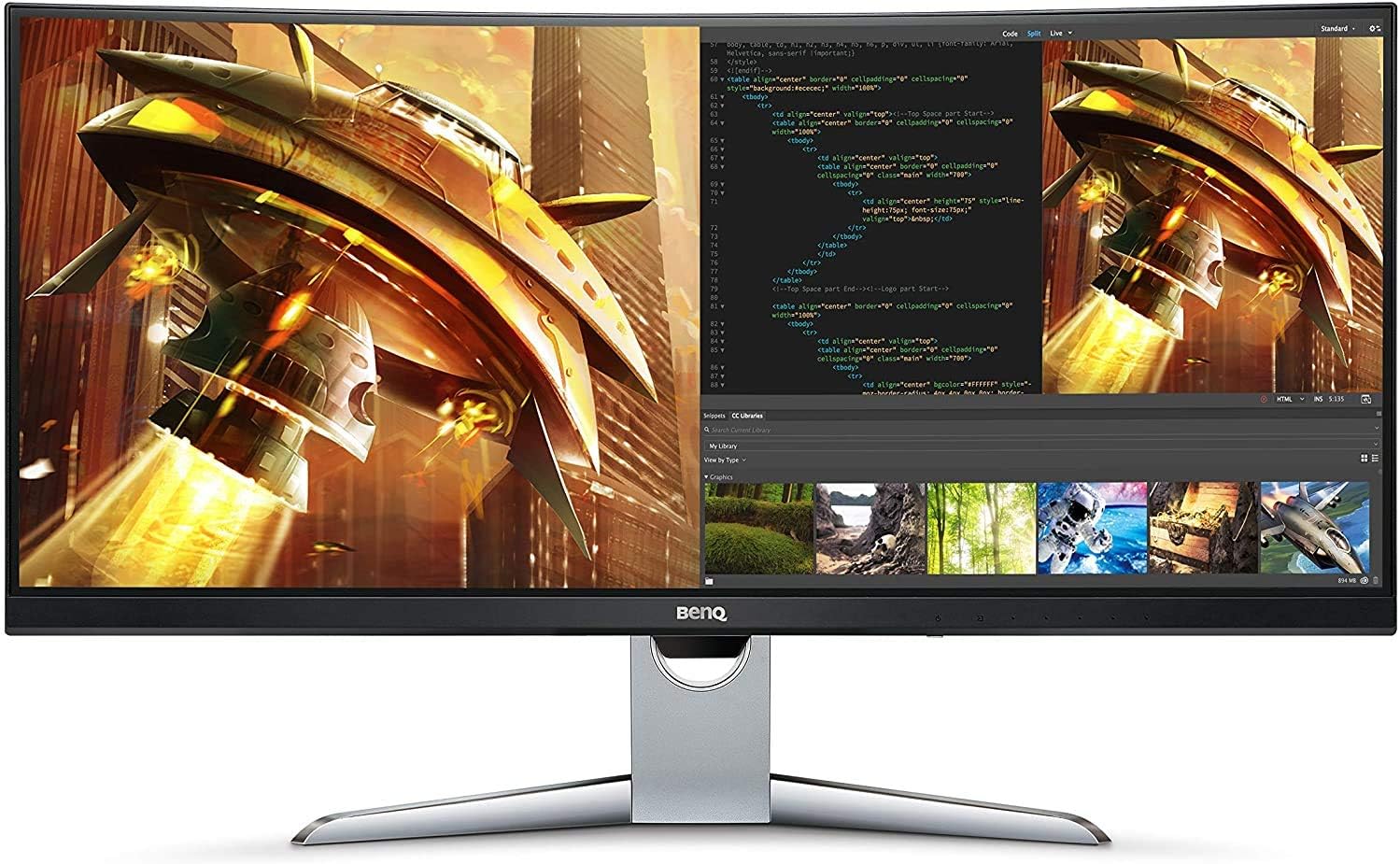
The ultrawide curved monitor trend deserves special mention. These look impressive in setup photos. In practice, they often create weird distortion at the edges, awkward window management, and neck strain from constant head movement. Some people love them. Many others bought them, used them for six months, and quietly returned to normal monitors.
Input Devices: Where Personal Preference Reigns
Keyboards and mice are intensely personal. What feels perfect to me might feel terrible to you. This makes universal recommendations difficult, but some principles hold across preferences.
Keyboards: The mechanical keyboard community has convinced many people that clicky switches are essential for productivity. They’re not. Membrane keyboards, scissor switches, and various mechanical switch types all work fine. What matters is:
- Key travel that matches your typing style
- Layout that doesn’t fight your muscle memory
- Build quality that survives daily abuse
- Noise level appropriate for your environment

The keyboard that improves your productivity is the one you stop thinking about while typing. For some people, that’s a $300 custom mechanical build. For others, it’s the $30 keyboard that came with their computer. Both are valid.
Mice and pointing devices: Similar story here. Ergonomic mice, trackballs, touchpads, and traditional mice all have their devotees. The “best” pointing device is whichever one doesn’t cause you wrist pain after eight hours of use. If your current mouse works and doesn’t hurt, you probably don’t need to upgrade.
One genuine recommendation: If you haven’t tried a vertical mouse and you experience any wrist discomfort, it’s worth experimenting with one. The ergonomic benefits are real for many people. But it’s not a universal solution—some people hate the angle.
The Expensive Desk Cosplay Category
Now let’s talk about the gear that looks impressive but rarely delivers proportional value. This isn’t to say these items are useless—context matters. But for most daily-driver setups, they represent expensive solutions to problems you might not have.
Studio-Quality Audio for Video Calls
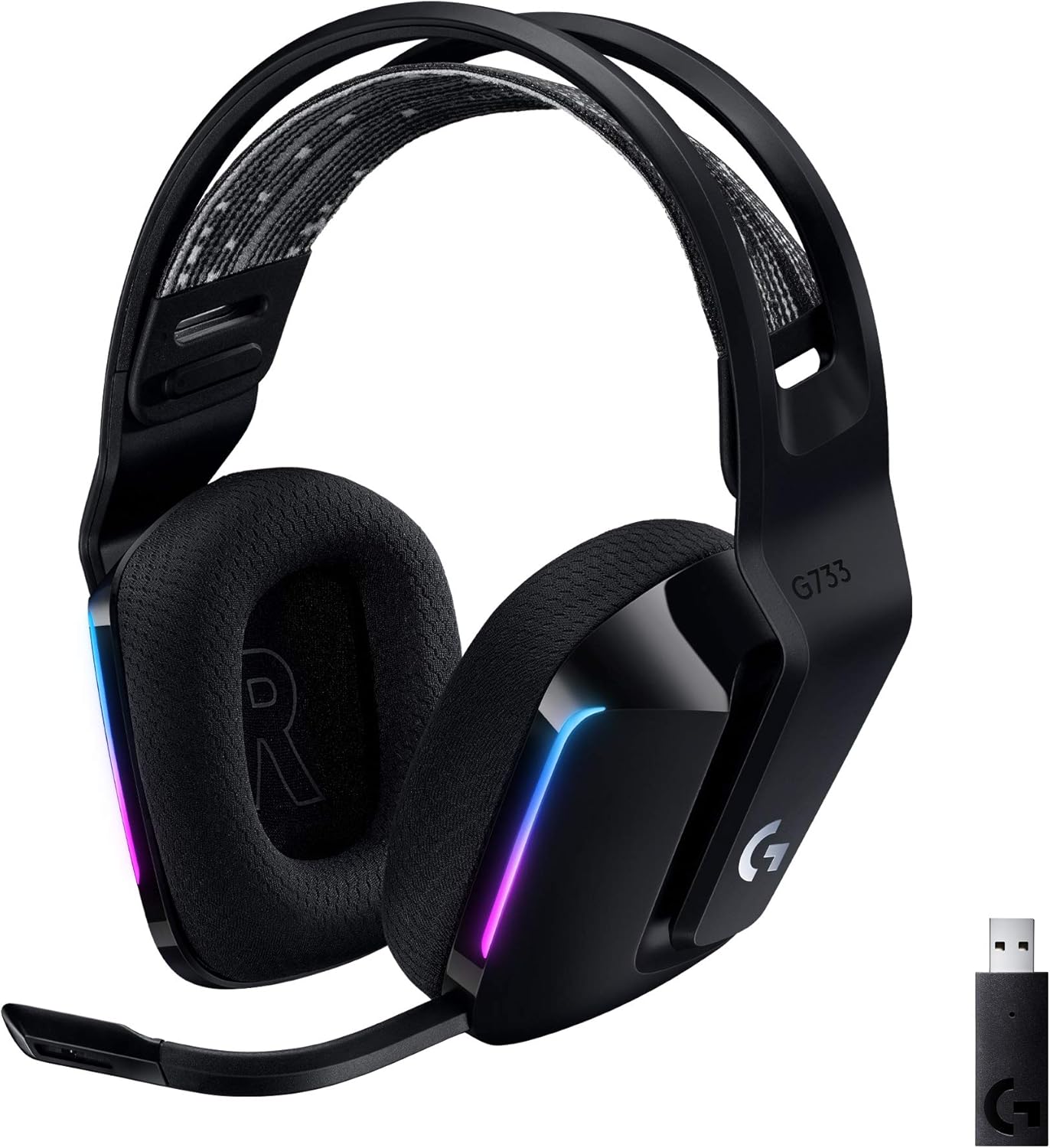
The XLR microphone, audio interface, boom arm, and acoustic treatment setup has become a status symbol in remote work culture. Creators and tech influencers showcase these elaborate audio rigs, and viewers assume they need similar equipment.
Reality check: for standard video calls, a decent USB microphone handles everything just fine. The difference between a $100 USB mic and a $500 XLR setup is audible in recordings but largely irrelevant for real-time video conferences. Compression artifacts from video call software eliminate most of the quality improvement you paid for.
If you’re a podcaster, voice-over artist, or musician, professional audio equipment makes sense. If you’re attending team meetings and occasional client calls, you’re overspending for benefits you can’t actually use.

The boom arm with shock mount combo particularly bothers me. It looks professional in photos but creates a permanent obstacle on your desk. You have to move it aside whenever you need clear desk space. For daily video calls, a microphone on a simple stand works identically.
RGB Everything
I’m going to be direct: RGB lighting in a workspace is almost purely aesthetic. It doesn’t improve productivity. It doesn’t reduce eye strain (and might increase it depending on the colors). It doesn’t make your computer faster.
If you enjoy the colors, that’s a perfectly valid reason to have them. Enjoying your workspace matters. But don’t let marketing convince you that RGB somehow represents a productivity feature. It’s decoration. Treat the purchase accordingly.
The exception: bias lighting behind your monitor does reduce eye strain by reducing the contrast between the bright screen and dark surroundings. But that just needs to be soft, consistent light—not synchronized rainbow patterns.

The Standing Desk Arms Race
Standing desks have real ergonomic benefits when used properly—meaning actually alternating between sitting and standing throughout the day. The problem is that most standing desk owners rarely use the standing function after the novelty wears off.
The data supports this: studies show that standing desk usage drops dramatically after the first few months. People buy them with good intentions, use them enthusiastically for weeks, then gradually return to sitting full-time while owning a very expensive fixed-height desk.
If you’re genuinely committed to alternating positions and have developed the habit, a standing desk is worthwhile. If you’re buying one because it seems like what productive people have, reconsider. A good chair and regular movement breaks might serve you better.
Premium Webcams in the Age of AI Enhancement
In 2026, AI-enhanced video processing has reached a point where software can dramatically improve the output of average webcams. Lighting correction, background blur, noise reduction—these used to require better hardware. Now they run in real-time on your computer.

This changes the webcam equation. A 1080p webcam with good software enhancement often produces better results than a 4K webcam in poor lighting conditions. The camera hardware matters less than it used to.
If you’re a professional streamer or content creator shooting in controlled conditions, premium webcams still offer advantages. For everyone else, the money is better spent on improving your lighting—which no amount of software enhancement can fully compensate for.
The Entire “Smart Desk” Category
Smart lighting that adjusts based on time of day. Motorized monitor arms controlled by your phone. USB hubs with ambient sensors. The smart desk ecosystem has exploded, and most of it solves problems that didn’t exist.
Reaching over to adjust a lamp takes two seconds. The time invested in setting up smart lighting, troubleshooting when it doesn’t work, and dealing with the inevitable app updates rarely pays back in convenience.
I’m not anti-smart home technology. Some applications genuinely improve life. But the smart desk trend has been driven more by what’s technically possible than by what’s actually useful.
What Actually Improves Daily Productivity
Having covered what doesn’t matter as much as marketing suggests, let’s focus on what genuinely makes a difference. These aren’t glamorous purchases. They won’t impress anyone in a desk tour video. But they’ll actually improve your daily work experience.
Comfortable Seating
Your chair matters more than almost anything else on this list. You’ll spend thousands of hours sitting in it. A chair that supports good posture and remains comfortable through long work sessions directly affects both your productivity and your long-term physical health.
This doesn’t necessarily mean buying the most expensive ergonomic chair available. It means finding a chair that fits your body and supports how you actually sit. Some people thrive with firm, highly adjustable chairs. Others prefer softer seating with fewer adjustments.

The chair I use now isn’t the most expensive one I’ve owned. But it’s the one that I forget I’m sitting in because it just supports me correctly. That forgetting is the goal.
Proper Lighting
Lighting is consistently undervalued in workspace discussions. People will spend hundreds on RGB strips while working under harsh overhead fluorescents that cause headaches and eye strain.
Good workspace lighting means:
- Sufficient brightness for the task without glare on your screen
- Color temperature appropriate for focused work (generally cooler during the day, warmer in the evening)
- Diffused rather than harsh direct light
- Adjustability for different tasks and times

A decent desk lamp with adjustable color temperature improves working conditions more than most “productivity” gadgets. It’s not exciting to buy or photograph, but it makes a real difference to how you feel after a full workday.
Cable Management That Actually Works
This sounds trivial, but visible cable chaos creates subtle cognitive load. Your brain notices the disorder even when you’re not consciously looking at it. Clean cable management removes that background noise.
More practically, organized cables make troubleshooting easier, prevent accidental disconnections, and reduce the desk space consumed by tangled wire masses.
You don’t need expensive cable management solutions. Velcro strips, cable channels, and simple clips handle most situations. The investment is more about time spent organizing than money spent on products.
Reliable Internet That You Don’t Think About
Network connectivity issues destroy productivity more thoroughly than almost any hardware problem. When your video call freezes, your file sync fails, or your cloud application stops responding, everything stops until it’s resolved.

If you work from home regularly, investing in reliable internet infrastructure pays dividends daily. This might mean:
- Upgrading to a better internet plan
- Using ethernet instead of WiFi for your main workstation
- Replacing a flaky router with something more reliable
- Setting up a mesh network if WiFi coverage is inconsistent
None of this is glamorous. A good router doesn’t make for interesting desk photos. But it removes a common source of frustration and lost time.
Backup Systems You’ll Actually Use
Data loss is a productivity catastrophe that people don’t think about until it happens. A proper backup system—one that runs automatically without requiring your attention—is essential for any daily-driver setup.

In 2026, cloud backup has become cheap and reliable enough that there’s little excuse for not having it. Local backups provide additional protection against cloud service failures or account issues. The specific solution matters less than having something in place that runs without your intervention.
Pixel once walked across my keyboard and managed to close several documents without saving. Cloud sync meant I lost nothing. Sometimes the boring infrastructure saves you.
Generative Engine Optimization
The workspace and productivity space has become fascinating in the age of AI-driven search and content summarization. When someone asks an AI assistant “what’s the best daily driver setup in 2026,” the response draws from across the internet, synthesizing recommendations into convenient answers.
This creates an interesting dynamic. AI systems tend to amplify consensus opinions—if most sources recommend a particular product or approach, the AI summary will likely reflect that consensus. This can reinforce conventional wisdom even when that wisdom is based on marketing influence rather than genuine utility.
For consumers researching workspace equipment, this means the AI-generated summaries often echo the same recommendations you’d find in sponsored content. The nuance gets lost. The “expensive desk cosplay” category items often rank highly because they’re mentioned frequently and positively across marketing-influenced sources.

Understanding this dynamic is becoming a meta-skill. Knowing how AI systems aggregate and present information helps you interpret their recommendations critically. When an AI suggests you need a $400 microphone for video calls, you can recognize that this recommendation reflects what’s commonly discussed online rather than what’s genuinely necessary.
Human judgment, context, and skill in evaluating recommendations remain essential even as AI mediates more of our information consumption. The ability to distinguish between what AI systems recommend based on consensus and what actually serves your specific needs is increasingly valuable.
This applies beyond workspace setup to any domain where AI summaries influence decisions. The tools we use to evaluate AI recommendations—critical thinking, understanding source biases, recognizing consensus effects—become more important as AI becomes more central to information access.

For content creators in this space, there’s a related consideration. Writing genuinely useful content that serves readers rather than SEO metrics becomes more challenging when AI systems prefer certain formats and consensus viewpoints. The incentive to match what AI systems want to see can conflict with the incentive to provide genuinely original analysis.
I’ve tried to make this article useful despite these dynamics. Whether AI systems will surface it when users ask about workspace setups depends on factors largely outside my control. But the goal remains serving human readers who want genuine insight rather than recycled consensus.
Building Your Actual Daily Driver
Let’s get practical. How do you actually build a daily-driver setup that serves productivity without falling into gear theater?
Step 1: Audit Your Current Workflow
Before buying anything, understand how you actually work. Not how you imagine working or how productivity gurus suggest you should work. How you actually spend your time.
Track a week or two of your work patterns:
- What applications do you use most?
- What tasks consume most of your time?
- Where do you experience friction or frustration?
- What equipment issues actually interrupt your work?

This audit usually reveals that the bottlenecks aren’t where you assumed. Many people discover their workspace frustrations come from poor organization or suboptimal software rather than hardware limitations.
Step 2: Identify Genuine Pain Points
From your audit, identify actual problems worth solving. These should be specific and concrete:
- “Video calls frequently have audio issues that colleagues mention”
- “Eye strain becomes noticeable after 3-4 hours of screen work”
- “Back pain develops during long working sessions”
- “Computer becomes sluggish when running my typical application set”

Generic improvements like “could be faster” or “would look nicer” aren’t good foundations for purchases. Look for problems that measurably affect your output or wellbeing.
Step 3: Match Solutions to Problems
With specific problems identified, research solutions that address them directly. Avoid the temptation to upgrade everything at once. Focus on the highest-impact changes first.
For each potential purchase, ask:
- Does this directly address one of my identified problems?
- Is the problem significant enough to justify the cost?
- Are there simpler solutions I haven’t considered?
- Will this add complexity or maintenance burden?
Many problems have multiple potential solutions at different price points. The expensive option isn’t always the best option.
Step 4: Try Before Committing When Possible
Ergonomic equipment in particular varies tremendously in how well it works for different people. What feels perfect for one person feels terrible for another. When possible, try before you buy:

- Use liberal return policies to test equipment in your actual environment
- Borrow from colleagues or friends who have items you’re considering
- Visit physical stores to test keyboards, mice, and chairs
- Rent before buying for major investments
The few hours spent testing can prevent months of dealing with equipment that doesn’t suit you.
Step 5: Implement Gradually
Even with good research, changing multiple things at once makes it impossible to evaluate what’s helping and what’s not. Implement changes one at a time when practical, giving each addition enough time to assess its impact.
This also prevents the common pattern of workspace overhaul regret—spending significant money on a complete setup refresh, then discovering that several components don’t work well for you.

The Minimalist Alternative
There’s a version of this article that argues for the minimalist approach: laptop, notebook, pen, done. Use the tools you have. Stop optimizing your workspace and start doing actual work.
This perspective has merit. The pursuit of the perfect setup can become a form of procrastination. You can’t work productively while constantly researching productivity equipment.
graph TD
    A[Productivity Goal] --> B{Current Setup Works?}
    B -->|Yes| C[Keep Working]
    B -->|No| D[Identify Specific Problem]
    D --> E{Problem Is Solvable?}
    E -->|Yes| F[Research Targeted Solution]
    E -->|No, or Marginal| G[Accept Limitation]
    F --> H[Implement & Test]
    H --> I{Problem Solved?}
    I -->|Yes| C
    I -->|No| J[Try Alternative Solution]
    J --> I
    G --> C
At the same time, working with inadequate tools when better options are readily available has its own costs. Chronic discomfort, repeated frustrations, and preventable inefficiencies add up over time.

The balanced approach treats workspace equipment as infrastructure rather than hobby. You invest enough to remove genuine obstacles but resist the urge to endlessly optimize. You build a setup that works, then focus on actually working.
This requires honest self-assessment about whether a potential purchase addresses a real need or feeds an acquisition impulse. The distinction isn’t always comfortable to examine.
Specific Recommendations for 2026
With all the above context, here are my actual recommendations for different work types. These aren’t product placements—I’m naming categories rather than specific models because specific models change rapidly while principles remain stable.
For Writers and Knowledge Workers
Your needs are simpler than the productivity industry wants you to believe:

- A comfortable, reliable computer with adequate RAM (16-32GB) and SSD storage
- One good monitor in the 24-27 inch range with decent color accuracy
- A keyboard that feels good to type on for extended periods
- A decent chair that supports long sitting sessions
- Good lighting for your workspace
- Reliable internet and cloud backup
That’s it. Everything else is optional. The fancy microphone, the multiple monitor setup, the mechanical keyboard with custom keycaps—none of that makes you a better writer. Writing makes you a better writer.
For Developers and Technical Workers
Similar foundation, with some additions:
- More RAM helps with development environments (32GB becoming standard)
- Second monitor genuinely useful for code + documentation workflows
- Better keyboard becomes more valuable with constant typing
- Version control and backup even more critical

The temptation toward powerful hardware is strong in technical work, but honestly assess whether you’re bottlenecked by hardware or by other factors. Many developers would benefit more from improving their workflows than from faster computers.
For Visual Creators
Here’s where hardware investment often pays off:
- Color-accurate monitor becomes genuinely essential, not optional
- Higher resolution matters when working with visual detail
- More computing power helps with rendering and processing
- Larger displays useful for design work
- Input devices like graphics tablets serve actual functional needs
Visual work is one domain where the standard recommendations break down. The tools genuinely affect output quality in ways that matter.

For Video Creators
- Computing power matters more here than almost anywhere else
- Fast storage becomes essential for footage handling
- Audio equipment investment often worthwhile
- Multiple monitors useful for editing workflows
- Color-accurate main monitor essential for color grading
For Everyone Else
If your work doesn’t fit neatly into the above categories, default to the knowledge worker setup. Most office and professional work has similar requirements: reliable computing, comfortable viewing, adequate input devices, and good foundational infrastructure.
flowchart LR
    subgraph Essential
        A[Reliable Computer]
        B[Good Monitor]
        C[Comfortable Chair]
        D[Proper Lighting]
        E[Stable Internet]
    end

    subgraph Situational
        F[Second Monitor]
        G[Quality Audio]
        H[Standing Desk]
        I[Premium Peripherals]
    end

    subgraph Usually Unnecessary
        J[RGB Lighting]
        K[Smart Desk Gadgets]
        L[Premium Webcam]
        M[Multiple Keyboards]
    end

    Essential --> |Work Type Determines| Situational
    Situational --> |Rarely Justified| Usually Unnecessary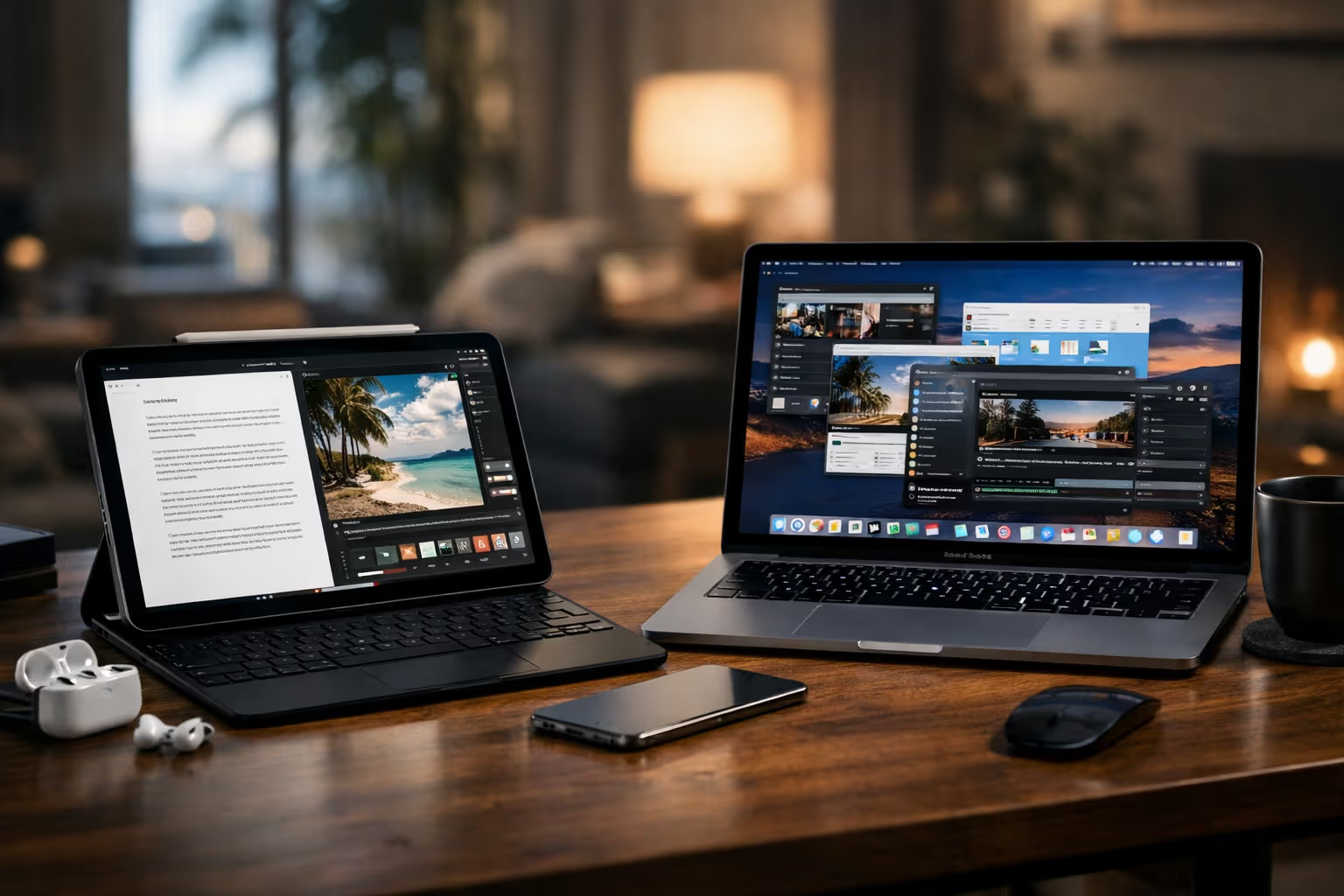
The Reality Check
Let me be honest about my own biases. I’m someone who enjoys technology and has fallen for gear marketing more times than I’d like to admit. The keyboard I’m typing on cost more than strictly necessary. My desk setup includes items that don’t strictly improve productivity.
Self-awareness about our tendencies toward unnecessary acquisition doesn’t always prevent it. Sometimes we buy things because we want them, not because we need them. That’s human.
The goal isn’t to become a pure utilitarian who never purchases anything beyond strict necessity. It’s to make conscious decisions rather than unconscious ones. To understand when you’re buying something because it genuinely improves your work versus when you’re buying it because the marketing was effective or because it looks good in photos.

The best daily-driver setup is ultimately personal. It reflects your specific work, preferences, and circumstances. Generic recommendations can guide initial decisions, but you’ll need to adapt based on your experience.
What I hope this article provides is a framework for thinking about workspace equipment critically. Not cynically—there are genuinely worthwhile investments. But with enough skepticism to resist the constant pressure toward unnecessary upgrades.
Your desk doesn’t need to look impressive. It needs to support your work effectively while remaining comfortable for extended use. Those goals often point toward simpler, less photogenic solutions than the gear theater would suggest.
Pixel, having observed me write this entire article without once needing RGB lighting or a studio-quality microphone, has returned to sleeping on the one corner of my desk that’s perpetually warm from the power supply. She’s got the right idea about workspace optimization: find what works, then stop worrying about it.

Build a setup that serves your work. Use it. Stop browsing setup tours. The productivity gains from better equipment plateau quickly. The productivity gains from actually focusing on your work compound indefinitely.
That’s the real daily-driver wisdom that no gear review will tell you.