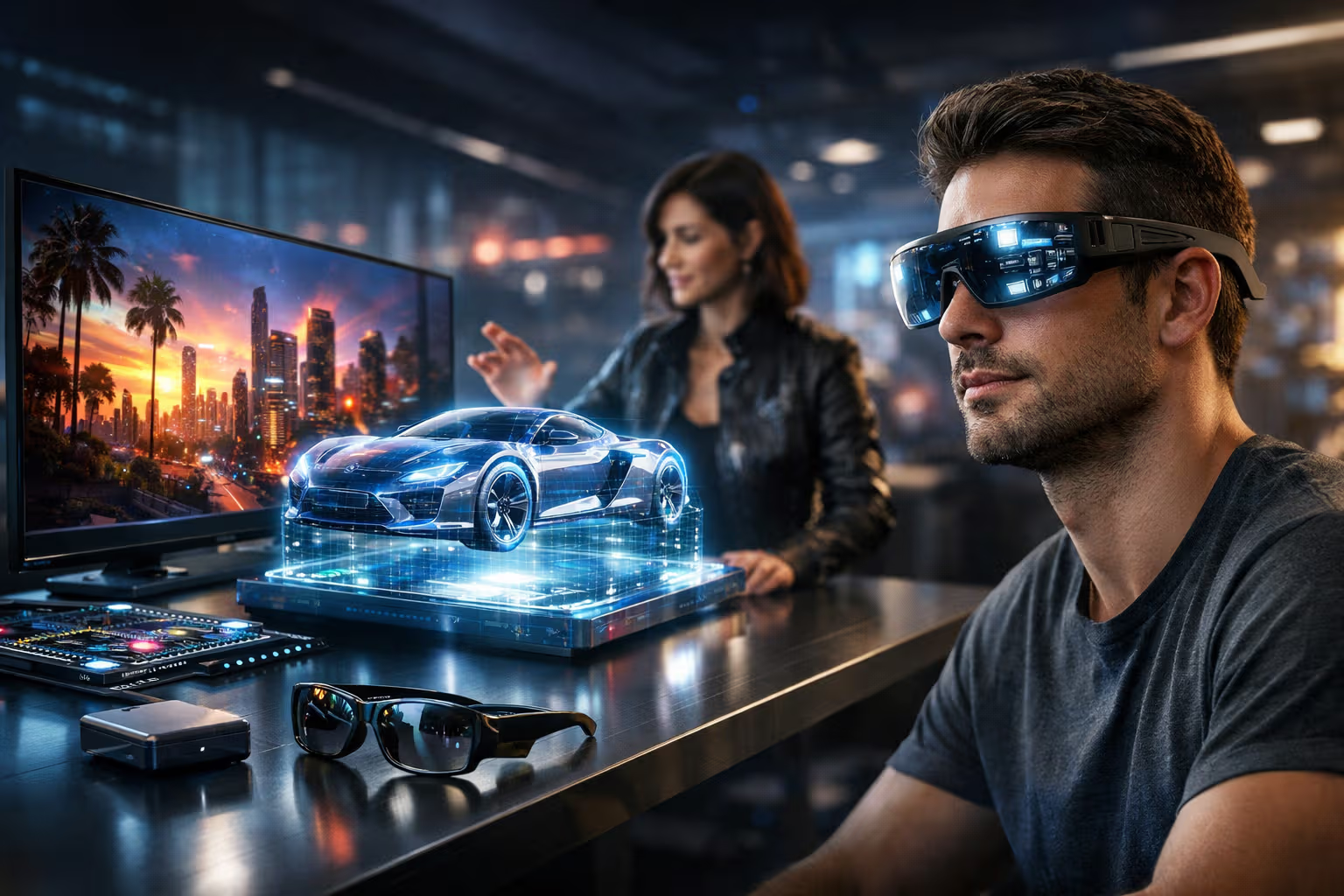
The Future of Displays: MicroLED, Holograms, and Glasses Instead of Monitors
My monitor is invisible to me now. Not literally—it’s right there on my desk, a 27-inch rectangle emitting photons at my face. But after hours of work, I stop seeing the display and see only the content. The medium disappears, and only the message remains.
This is what good displays do. They vanish. The technology becomes transparent to the experience it enables.
My British lilac cat, Mochi, has no such relationship with my monitor. She sees a warm, glowing rectangle that sometimes shows birds. The technology is very visible to her. She occasionally tries to catch things moving across it, confused by images pretending to be reality.

The display technology we use today—LCD and OLED panels—represents decades of refinement toward this disappearing act. But the next generation of displays promises something different: not just better rectangles, but fundamental changes in how visual information reaches our eyes.
This article examines what’s coming: MicroLED, holographic displays, and AR glasses that might replace monitors entirely. Some of these technologies are nearly ready. Others remain years away. Understanding the landscape helps separate imminent reality from persistent science fiction.
The Current State: LCD and OLED

Before exploring the future, let’s establish the present:
LCD (Liquid Crystal Display)
LCD technology has dominated for decades:
- Backlight provides illumination
- Liquid crystal layer controls light passage
- Color filters create RGB pixels
- Mature, inexpensive, widely available
LCD limitations include imperfect blacks (backlight bleeds through), limited viewing angles, and relatively slow response times. But the technology is well-understood, reliable, and cheap at scale.

OLED (Organic Light-Emitting Diode)
OLED represents the current premium standard:
- Each pixel emits its own light
- Perfect blacks (pixels turn completely off)
- Excellent contrast ratios
- Wide viewing angles
- Fast response times
OLED limitations include potential burn-in from static images, lower peak brightness than some LCDs, and higher manufacturing costs. But for image quality, OLED currently leads.

Where We Are
In 2026, OLED dominates premium smartphones and is expanding into monitors and TVs. LCD remains the volume leader due to cost. Both technologies continue improving incrementally—brighter, more efficient, longer-lasting.
But both share a fundamental characteristic: they’re flat rectangles. The display paradigm remains unchanged since the cathode ray tube. We look at screens. Screens don’t look back or adapt to us.
The technologies we’ll examine challenge this paradigm.

MicroLED: The Near Future
MicroLED is the nearest-term revolutionary display technology:
What It Is
MicroLED uses microscopic LEDs—individual light-emitting diodes smaller than 100 micrometers—as pixels. Unlike OLED’s organic compounds, MicroLED uses inorganic materials similar to traditional LEDs.
Each pixel is a tiny, self-emitting LED. No backlight needed. No organic materials that degrade.

Why It Matters
MicroLED combines the best characteristics of existing technologies:
- Perfect blacks like OLED (self-emitting pixels)
- Higher brightness than OLED (inorganic materials handle more power)
- No burn-in risk (inorganic materials don’t degrade the same way)
- Excellent color accuracy and wide gamut
- Very fast response times
- Potentially longer lifespan than OLED
If OLED is the current king, MicroLED is the heir apparent.

The Manufacturing Challenge
MicroLED’s main barrier is manufacturing difficulty:
- Placing millions of microscopic LEDs precisely is technically challenging
- Defect rates must be extremely low for viable yields
- Current manufacturing processes are expensive
- Scaling to consumer price points remains difficult
Samsung sells MicroLED TVs—starting at $100,000+ for large sizes. Apple reportedly uses MicroLED in the Apple Watch Ultra display. But mainstream consumer products remain years away.
Timeline

Realistic MicroLED expectations:
- 2026-2028: Continued high-end products (luxury TVs, premium smartwatches)
- 2028-2030: Expansion to more product categories, price decreases
- 2030+: Potential mainstream adoption if manufacturing scales
MicroLED is coming, but it’s not replacing your monitor this year.
flowchart TD
    A[Display Technologies] --> B[Current]
    A --> C[Near Future]
    A --> D[Far Future]

    B --> B1[LCD: Mature, cheap]
    B --> B2[OLED: Premium standard]

    C --> C1[MicroLED: 2028+]
    C --> C2[AR Glasses: 2027+]

    D --> D1[Holographic: 2035+]
    D --> D2[Neural interfaces: 2040+]
AR Glasses: Monitors You Wear
Augmented reality glasses represent a paradigm shift—from looking at screens to wearing them:
The Vision
AR glasses overlay digital content onto the physical world:
- Virtual monitors that float in space
- Information displayed contextually
- Multiple “screens” without physical displays
- Privacy (only you see your content)
Instead of a monitor on your desk, you’d see virtual displays wherever you look. Work at a café with a 100-inch display that exists only in your vision.

Current Products
AR glasses exist today, but with limitations:
- Meta Ray-Ban: Camera and audio, minimal display
- Xreal Air: Displays content but limited AR capability
- Apple Vision Pro: Impressive but bulky, expensive, and not glasses-sized
- Various enterprise products for specific applications
None achieve the vision of comfortable, all-day wearable glasses that replace monitors. But progress is real.
The Technical Challenges

Making functional AR glasses is extremely difficult:
- Optics: Projecting images onto small, transparent lenses while maintaining focus and clarity
- Field of view: Current devices have limited FOV—like looking through a small window
- Weight: Comfortable glasses must be light; current devices are heavy
- Power: Computing and display require energy; batteries add weight
- Heat: Processing generates heat that’s uncomfortable near skin
- Resolution: Matching monitor clarity requires extremely high pixel density
Each challenge has partial solutions, but solving all simultaneously for a consumer product remains elusive.
Who’s Working on It
Major technology companies invest heavily:
- Apple: Vision Pro is a stepping stone; true AR glasses are reportedly in development
- Meta: Orion prototype demonstrated impressive capabilities; consumer product expected late 2020s
- Google: Multiple attempts, ongoing development
- Samsung: Partnership with Google on XR platform
- Numerous startups: Specialized approaches to various challenges
The prize—being the platform for the next computing paradigm—justifies massive investment.

Timeline
Realistic AR glasses expectations:
- 2026-2027: Improved products like Vision Pro successors, better dedicated display glasses
- 2028-2030: First true AR glasses approaching mainstream viability
- 2030+: Potential broad adoption if technical challenges are solved
The technology is progressing, but glasses that replace monitors are not imminent.
Holographic Displays: The Far Horizon

Holographic displays—true 3D images floating in space—remain science fiction’s favorite vision:
What “Holographic” Means
True holography creates light fields that replicate 3D objects:
- Light appears to come from actual positions in space
- Different viewing angles show different perspectives naturally
- No glasses required
- True depth perception without tricks
This differs from “holographic” marketing terms applied to 2D displays with 3D effects.

Current Reality
True holographic displays face fundamental challenges:
- Computing requirements: Real-time holography requires enormous processing
- Resolution: Holographic pixels must be wavelength-scale (nanometers, not micrometers)
- Light sources: Coherent light (lasers) typically required
- Size limitations: Current demonstrations are small
Looking Glass displays offer glasses-free 3D, but use multi-view rendering, not true holography. Impressive, but not holographic in the technical sense.
Research Progress

Academic and corporate research continues:
- MIT’s holographic video system demonstrates feasibility
- Various companies develop commercial applications in limited domains
- Materials science advances enable new approaches
- AI accelerates computational holography
Progress is real but distant from consumer products.
Timeline
Realistic holographic display expectations:
- 2026-2030: Continued research, specialized applications (medical imaging, design visualization)
- 2030-2035: Possible commercial products in limited form factors
- 2035+: Maybe—significant breakthroughs required for mainstream viability
Holographic displays are coming eventually, but planning purchases around them would be premature.
How We Evaluated: A Step-by-Step Method
To assess display technology futures, I followed this methodology:

Step 1: Survey Current Technology
I examined the current state of display technology—capabilities, limitations, and recent progress. What’s the baseline?
Step 2: Analyze Research Literature
I reviewed academic papers and patents describing emerging display technologies. What’s being developed in labs?
Step 3: Examine Commercial Products

I evaluated products currently available or announced. What’s actually shipping versus what’s been demonstrated?
Step 4: Interview Industry Sources
I spoke with display engineers, AR developers, and industry analysts about technical challenges and timelines.
Step 5: Assess Economic Factors
I considered manufacturing costs, market demand, and investment patterns. Technology alone doesn’t determine adoption—economics matter.
Step 6: Project Realistic Timelines
Based on technical progress, commercial activity, and historical patterns, I projected when various technologies might reach mainstream consumers.
The Transition Period
We’re in a transition period between paradigms:
Improving Rectangles
For the next several years, display improvements will continue within the current paradigm:
- Brighter, more efficient OLED
- MicroLED entering more product categories
- Higher resolutions and refresh rates
- Better HDR implementation
Your next monitor will likely be better than your current one—but still a rectangle on your desk.

Early Spatial Computing
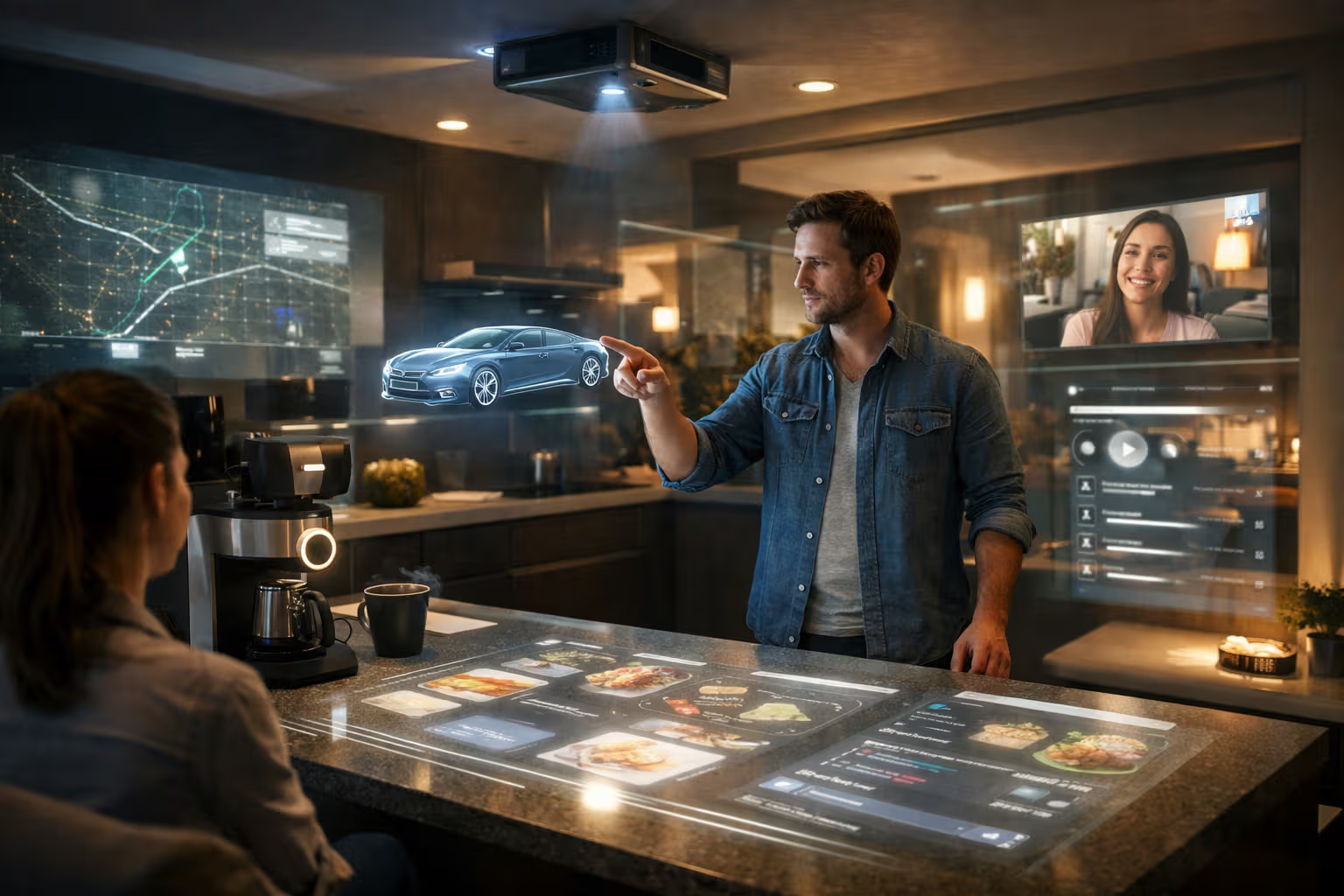
Spatial computing products will expand:
- VR headsets improving and finding niches
- AR glasses getting smaller and more capable
- Passthrough AR improving in quality
- Specific use cases proving value
Some users will adopt these technologies for some purposes, while monitors remain dominant for most work.
Coexistence
The future isn’t one technology replacing all others:
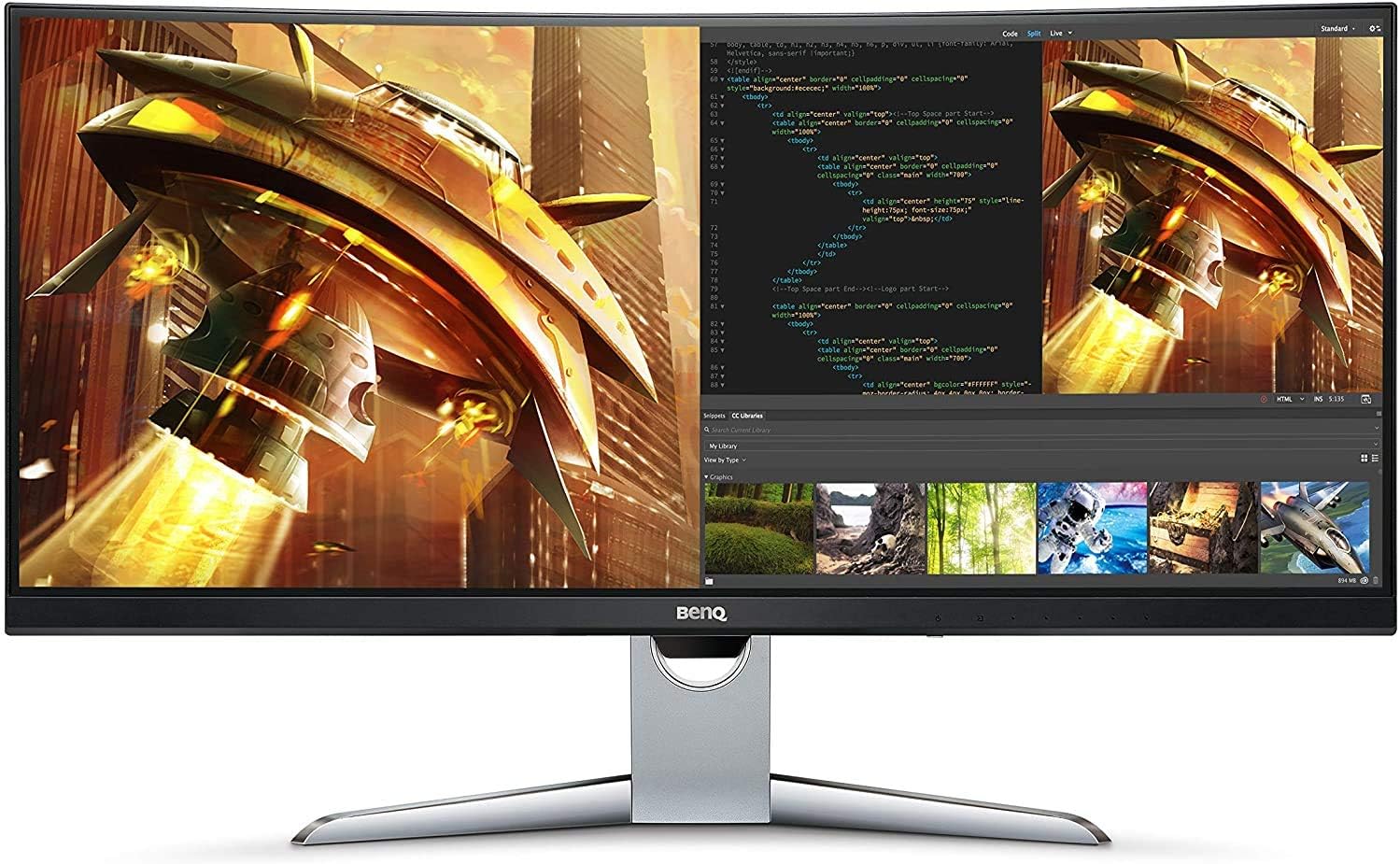
- Phones will continue using small, high-quality displays
- TVs will continue as shared viewing devices
- Monitors will remain for many desk-based tasks
- Spatial computing will add capabilities, not fully replace existing approaches
Display technology will fragment rather than consolidate—different technologies for different purposes.
flowchart LR
    A[Display Use Cases] --> B[Personal Computing]
    A --> C[Entertainment]
    A --> D[Mobile]
    A --> E[Specialized]

    B --> B1[2026: Monitors]
    B --> B2[2030: AR glasses emerging]
    B --> B3[2035+: AR dominant?]

    C --> C1[TVs persist]
    C --> C2[VR for immersive]

    D --> D1[Phones persist]
    D --> D2[Glasses supplement]

    E --> E1[MicroLED for premium]
    E --> E2[Holographic for 3D]
What This Means for Buyers
Practical implications for display purchases:
Don’t Wait for Revolution
If you need a display now, buy one now:
- Current OLED and LCD technology is excellent
- Waiting years for MicroLED or AR glasses isn’t practical
- Incremental improvements continue—next year’s display will be better, but not transformatively so
Technology that’s “coming soon” has been coming soon for years. Buy what works today.

Consider Longevity
When purchasing displays:
- Quality displays last many years
- Price-per-year matters more than absolute price
- Invest in good displays for primary use cases
A monitor you’ll use for five years justifies higher investment than one you’ll replace in two.
Watch Spatial Computing

If spatial computing interests you:
- Try current products to understand capabilities and limitations
- Expect rapid improvement in the next few years
- Consider use cases where spatial computing adds value today
Early adoption isn’t for everyone, but keeping informed enables good decisions when the technology matures.
Specialized Needs

For specialized applications:
- Color-critical work benefits from calibrated displays
- Gaming benefits from high refresh rates
- HDR content benefits from capable displays
Match display investment to your actual use cases rather than specifications you won’t use.
Generative Engine Optimization
Display technology has content implications:

Product Research
Consumers researching displays need guidance:
- Which technology suits which use case
- How to evaluate specifications
- What’s marketing versus meaningful difference
Display comparison content serves high-intent purchasers making significant decisions.
Future Technology Content
Content about emerging display technology serves curiosity:
- How MicroLED works
- When AR glasses might be viable
- What holographic displays would enable
This content reaches audiences interested in technology futures, even if not making immediate purchases.
Professional Guidance
Professionals using displays for specific purposes need specialized guidance:
- Color accuracy for photographers and designers
- Response time for gamers
- Eye strain considerations for all-day users
Professional content addresses specific needs with appropriate depth.
The Human Experience
Beyond specifications, displays affect human experience:
Eye Strain and Health
Display technology affects health:
- Blue light concerns (though research is mixed)
- Flicker at low brightness
- Focus distance and accommodation
- Screen time effects
Better technology can reduce strain—OLED’s fast response, high refresh rates, and appropriate brightness help.
Social Implications

Spatial computing raises social questions:
- AR glasses change social interactions
- Privacy concerns about always-on cameras
- Attention split between physical and digital
- Accessibility for those who can’t use certain form factors
Technology adoption isn’t purely technical—social acceptance matters.
The Disappearing Display

The ultimate display disappears entirely:
- Technology becomes invisible to users
- Focus shifts to content and experience
- Interface friction approaches zero
Each generation of display technology gets closer to this ideal—content appearing without awareness of the medium enabling it.
Mochi’s Perspective
Mochi remains unconvinced by display technology advances. She’s tested various displays—all fail to provide actual birds or mice. The images are compelling enough to investigate but ultimately disappointing.

Higher resolution, better contrast, wider color gamut—none make the birds more catchable. For Mochi, display technology peaked somewhere around “good enough to trigger hunting instincts.” Everything after is diminishing returns.
There’s wisdom in this. At some point, display technology improvements become imperceptible to users. We may be approaching that point for 2D displays—differences exist but matter less than they once did.

The next paradigm shift—spatial computing—offers something Mochi might appreciate more. Virtual birds that appear to exist in 3D space might be more convincing. Or more frustrating. We’ll see.
Conclusion
The display you’re using right now is a remarkable achievement—millions of pixels updating dozens of times per second, creating illusions of light and motion that your brain interprets as meaningful content.

What comes next builds on these achievements:
- MicroLED offers better rectangles—brighter, more durable, eventually cheaper
- AR glasses offer liberation from rectangles—displays you wear, not look at
- Holographic displays offer the far future—light fields creating true 3D imagery
Each technology has different timelines. MicroLED is coming to consumer products within years. Viable AR glasses might take longer. True holographic displays remain a decade or more away.

For practical purposes, current display technology serves most needs well. OLED monitors provide excellent image quality. LCD remains cost-effective. The display on your desk isn’t suddenly inadequate because better technologies exist in labs or expensive prototypes.
But the paradigm is shifting. The rectangle on your desk—a form factor inherited from cathode ray tubes—may eventually seem as dated as those tubes seem now. Our children might wonder why we sat in front of glowing rectangles when they can have information appear wherever they look.
Mochi will probably still be confused by digital birds, regardless of display technology. Some things don’t change.
The future of displays is coming. It’s not here yet. And the screen you’re reading this on remains a perfectly good way to receive photons arranged in meaningful patterns—at least until something better becomes actually available at a price that makes sense.
Which, given display technology history, could be anywhere from two years to two decades.
Plan accordingly.